

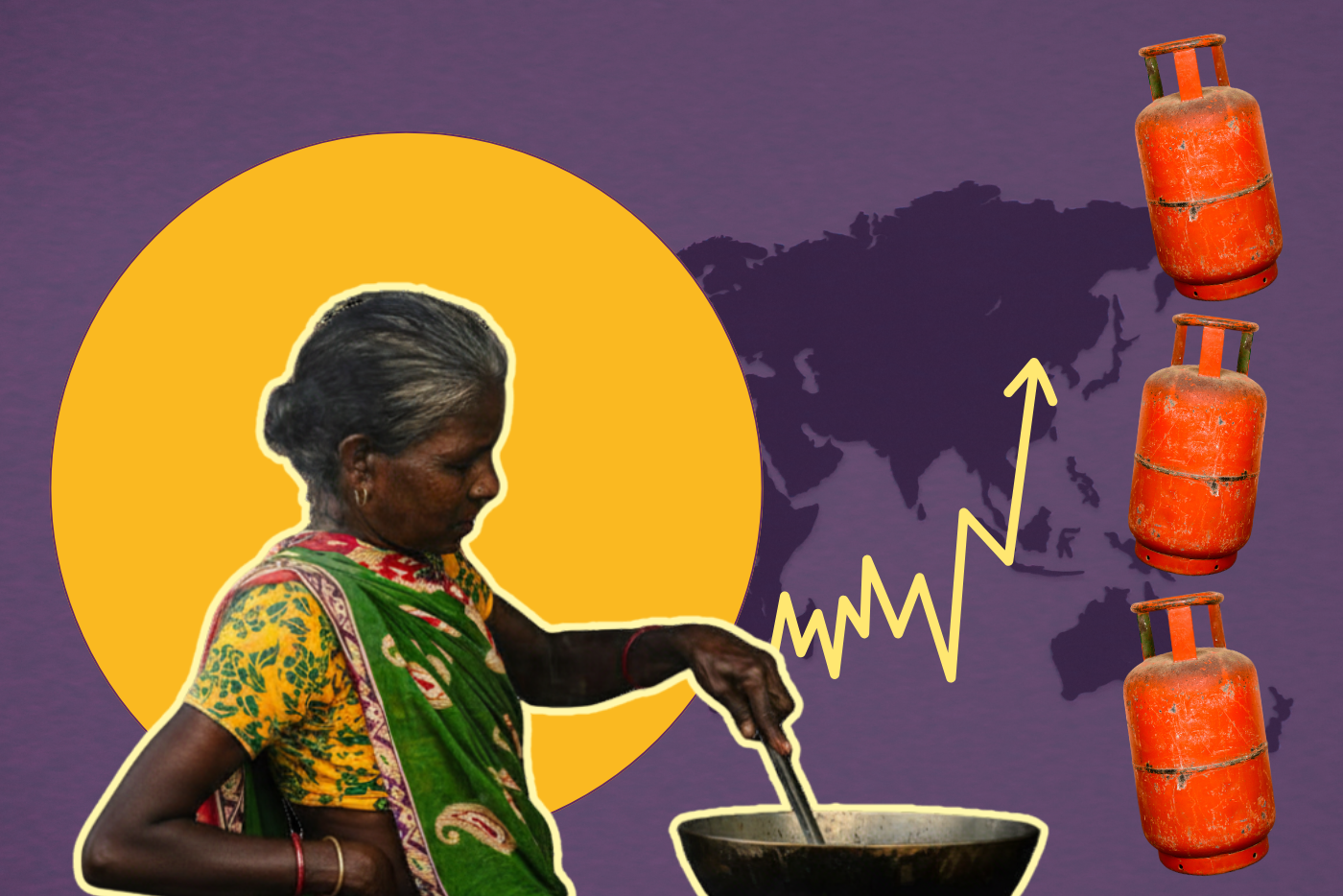

As the conflict squeezes gas supplies, CarbonCopy’s ground report finds that India’s eateries, MSMEs and factories are bracing for shortages, higher costs and production slowdowns




Once the Indian government decided to divert LPG supplies from commercial users to households, India saw rising concerns amongst eateries over commercial LPG supplies. Photo: Riddhi Tandon
West Asia Shock Ripples Through India’s Kitchens, Factories, and Supply Chains
As the conflict squeezes gas supplies, CarbonCopy’s ground report finds that India’s eateries, MSMEs and factories are bracing for shortages, higher costs and production slowdowns
The mood is tense in Malur Industrial Area. About 45 kilometres to the east of Bengaluru, it has a melange of small and medium industrial units. Walking through it, you will see firms making diverse products — laboratory glassware, farm equipment, steel products and plastics. The road leading into the industrial area adds yet more diversity — car batteries, hydraulic pumps, steel scrap.
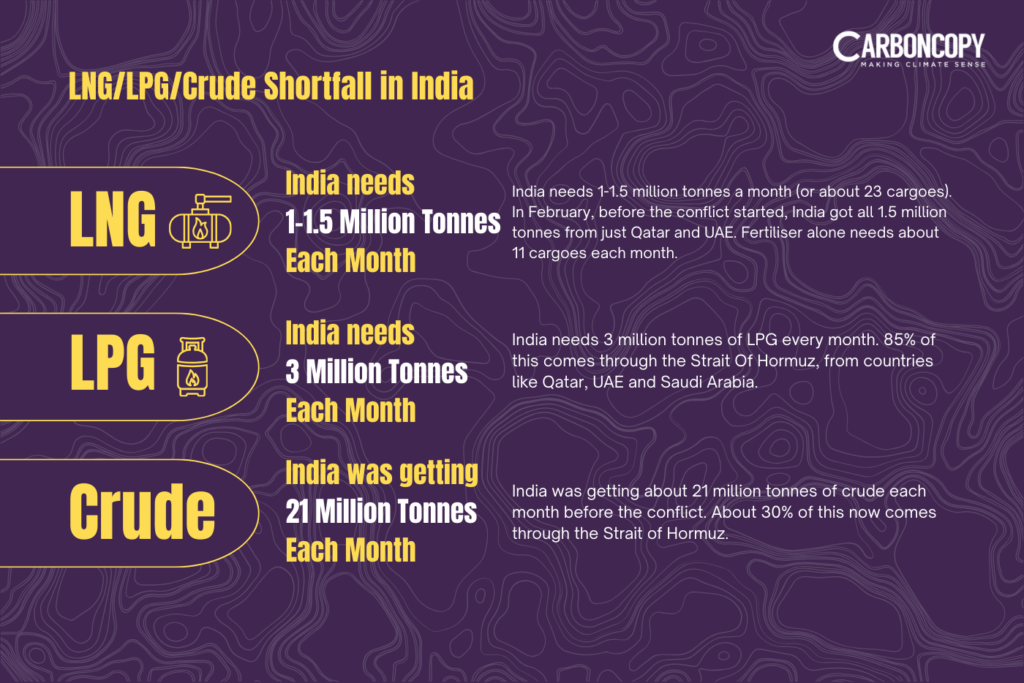
Even as India worries about shortages of cooking gas, industries are starting to worry about something else — the raw materials that come from petroleum. Two weeks have passed since the US and Israel attacked Iran. In the days since, between Iran blocking the Strait of Hormuz and exporters like Qatar Petroleum shutting down oil and gas exports, an unprecedented energy shock has begun to ripple across the world. India, which gets 80-85% of its LPG; about 55% of its crude; and 60% of its LNG from the Persian Gulf, is amongst the worst affected.
Even in this cluster in Bengaluru, where four of the seven firms CarbonCopy spoke to run on electricity, apprehension is rising. “We run on electricity and, as of now, there are no issues with power supply,” said Naveen Paul D’Cunha, the director of Akshay Enterprises, a sheet metal fabricator.
But he is starting to get worried. “If oil prices go up, so will paint prices,” he told CarbonCopy. “Until $110, paint prices might not be affected too much. But if it goes higher, the cost of paint will go up.” If that happens, firms like his will have to take those costs onto their margins — or pass them to customers, potentially losing sales. “Crude is not used for only petrol and diesel. It is also used for many industrial inputs as well — chemicals, sulphur, paint, plastics, etc. all those will be affected.”
By the end of the first week of the conflict, once the Indian government decided to divert LPG supplies from commercial users to households, India saw rising concerns amongst eateries over commercial LPG supplies. Since then, as CarbonCopy found while reporting from Bangalore, Kolkata, Delhi and Jaipur, those fears have begun spreading to other sectors as well.
The view from North India
Given India’s low strategic reserves for LNG and LPG, the conflict’s knock-on effects were first felt by users of these two fuels. By March 7, gas agencies like Bharat Gas Agency in Delhi’s Amar Colony neighbourhood had been told to stop supplying gas for commercial purposes. “Right now, we have very limited supplies which are going for domestic use,” said Roop Singh, its agency dealer.
The decision took commercial establishments by surprise, in part because, over the past ten years, the Indian government has been evangelising LNG as an affordable and plentiful fuel. “Industrial areas were asked to shift from diesel to gas and now Indraprastha Gas has put out an advisory that (their gas stocks) will soon exhaust because of the war,” said JK Talwar, General Secretary, Delhi Manufacturing Federation. The immediate fallout was a jump in black marketing of gas cylinders — and a class-based split between LPG users.
“We were used to booking and getting cylinders on the same day,” said a worker at Amar Colony Food Market, a street food hub in the crowded New Delhi suburb. “We have no plans to switch to electric stoves. Once the gas is exhausted, we will have to close down till the time we start getting LPG again.” Pannelal Yadav, a worker at a local sweet shop concurred, saying their “gas supply can last for a month and if the situation doesn’t get better, then they’ll have a problem.”
Larger outfits, however, are looking beyond LPG. The manager of a nearby Bikanervala, an Indian restaurant and snack food chain, told CarbonCopy that while their “gas supply is near exhaustion, their corporate house has told them that they’ll be switching to electric cookers.” In South India, too, larger outfits are responding in analogous ways while smaller ones contemplate closure — or start switching to alternative fuels like coal and firewood.
That said, commercial establishments burning LPG are just the tip of the proverbial iceberg. As D’Souza said in Malur, a large part of industrial raw stock is now derived from petroleum. In North India, too, businessmen are now anticipating raw material shortages. “We have roughly 5,000 units associated with us,” said Jagdish Somani, President of the Vishwakarma Industrial Area Association in Jaipur. “They operate across several sectors — iron industry, rolling mills, footwear manufacturing; and many others. (These) businesses are now not accepting new orders.”
Apart from energy, availability of raw materials is a reason. “Raw materials such as oils, petrochemicals, and inputs used in soaps and detergents are not arriving in adequate quantities,” said Somani. “At the moment, factories are running because they still have materials and orders in their pipeline. But if this situation continues for another one or two months, it could have a significant impact on the entire system.”
Somani cited plastic granules, used extensively for packaging. “Even though some of these are produced domestically, their production and availability could still be impacted, affecting packaging costs. Ultimately, this means that FMCG products such as soaps and detergents may see price increases of 15–20% in the coming month if the situation continues.”
India’s MSMEs were already struggling. In 2016, they were hit by demonetisation — a shock which saw units eat into their working capital while waiting for demand to revive. They got back to their feet only to be hit by India’s GST rollout in 2017. With that, smaller units ceded business to larger rivals.
Then in 2020 came Covid-19 — and two years of lockdowns and further demand destruction. Even today, as JK Talwar, General Secretary of Delhi Manufacturing Federation, told CarbonCopy, firms find themselves struggling again to operate due to the ongoing conflict. “At one time, factories here used to run all day and now they struggle to run even for 12 hours,” he said. Now, with the energy shock, MSMEs are in trouble again. “We rarely used to make a profit margin and now we don’t even have that,” said Talwar.
The view from West Bengal
Reporting from the industrial areas in and around Howrah, Kolkata, CarbonCopy found similar patterns. As in Delhi, direct users of LPG are in trouble. Gupta Brothers, an eatery on Kolkata’s MG Road, needs 10-15 cylinders a day, but is getting just 4 — despite having three suppliers. “At current stock, we can run for only 2-3 more days,” said Barun Kumar Sahoo, who was at the eatery’s counter. The establishment, which has 60 employees, is falling back on diesel — and trying to use gas more efficiently.
Smaller eateries echoed their counterparts in Delhi. “We have gas stock for only 2 more days, if we cannot get gas, we will have to shut the shop and return to their villages,” said Netai Dholey, the manager of Solanki Sweets at Shyambazar. “We have run 100% on LPG for the past 15 years. We do not have alternatives like diesel anymore — and we cannot run on induction, coal or kerosene. The latter two are dangerous and polluting.”
Eateries, however, are not the only commercial enterprises that use LPG as energy. So do autorickshaws — which were already contending with a doubling of gas prices. “The biggest brunt is being borne by the auto-rickshaw driver,” said Ganesh Agarwal, the owner of a petrol pump in Bangur. “They have to wait in line for 3-4 hours daily in a long queue from 6 AM to 9 PM. Sometimes, there are nearly 100 autos in the queue.” With gas no longer available in cylinders, he said, auto drivers have no option but to get LPG at pumps.
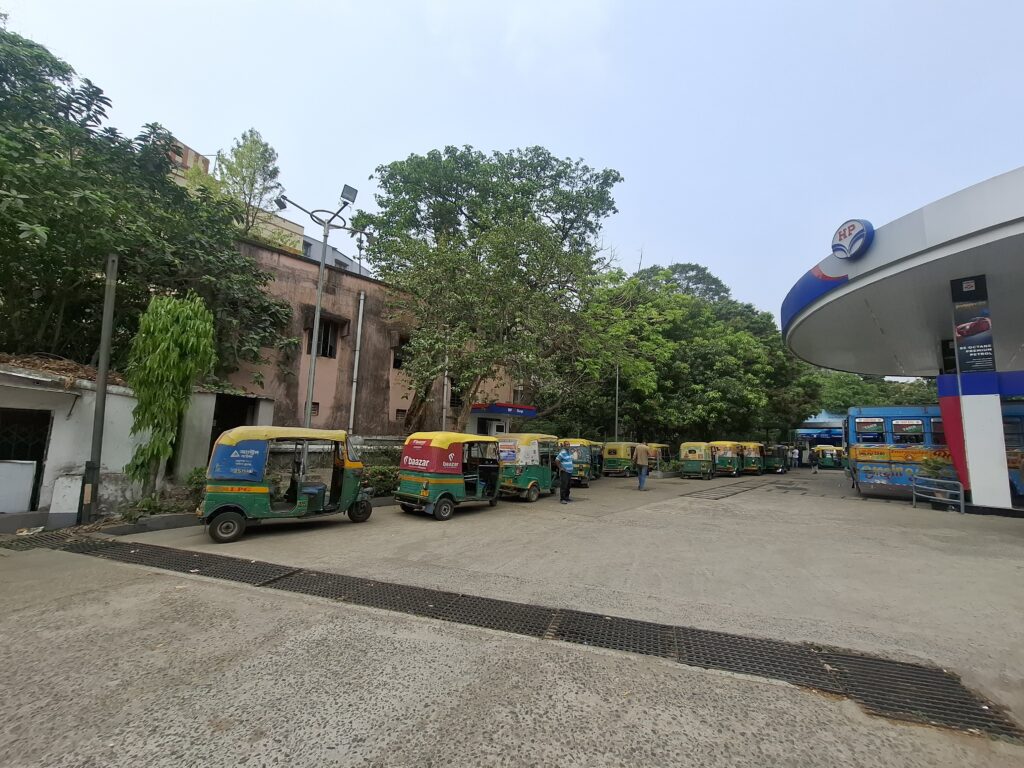
One fallout of demand outstripping supply? Black-marketing has started. An employee at Mullicks, a sweetshop in Howrah, told CarbonCopy he had paid ₹2,200 per gas cylinder in the second week of the conflict. “The normal price is ₹1,500. Today, a dealer asked for ₹2500. Another dealer asked for ₹4,500 which is unsustainable for business. If things continue as they are, we will have to shut shop.” Another outlet, National Economic Restaurant, at Shyam Bazar, said the going rate for cylinders was ₹3,500. In the auto sector, too, said Agarwal, price has hit ₹4,500 per cylinder.
This number was confirmed by Tamal Ghosh, a gas dealer at Jalan Industrial Complex in Andul, Howrah. His firm procures gas from bigger dealers and sells to about 20 local companies and eateries. “The rate of LPG cylinders has been ₹ 4,500 since March 7,” he told CarbonCopy. In effect, small eateries and auto-rickshaw drivers now have to compete with larger eateries and, as this report will show below, larger companies for energy.
In his conversation with CarbonCopy, Dholey had alluded to the larger fallouts of closure. “This will impact the shop’s suppliers. Milk, especially, will be hit hardest as its shelf life is at maximum a day, and the supplier has to take out the milk daily even if it cannot be sold.”
Such are the ripple effects from this conflict. India faces an energy crisis which results in the closure of eateries which, in turn, clips the earnings of not just their employees, but also gig workers, suppliers of milk and growers/traders of farm produce. In tandem, since this is petroleum we are talking about, diverse sectors, even those not entirely running on LPG or LNG, face shortages — and end up dropping production.
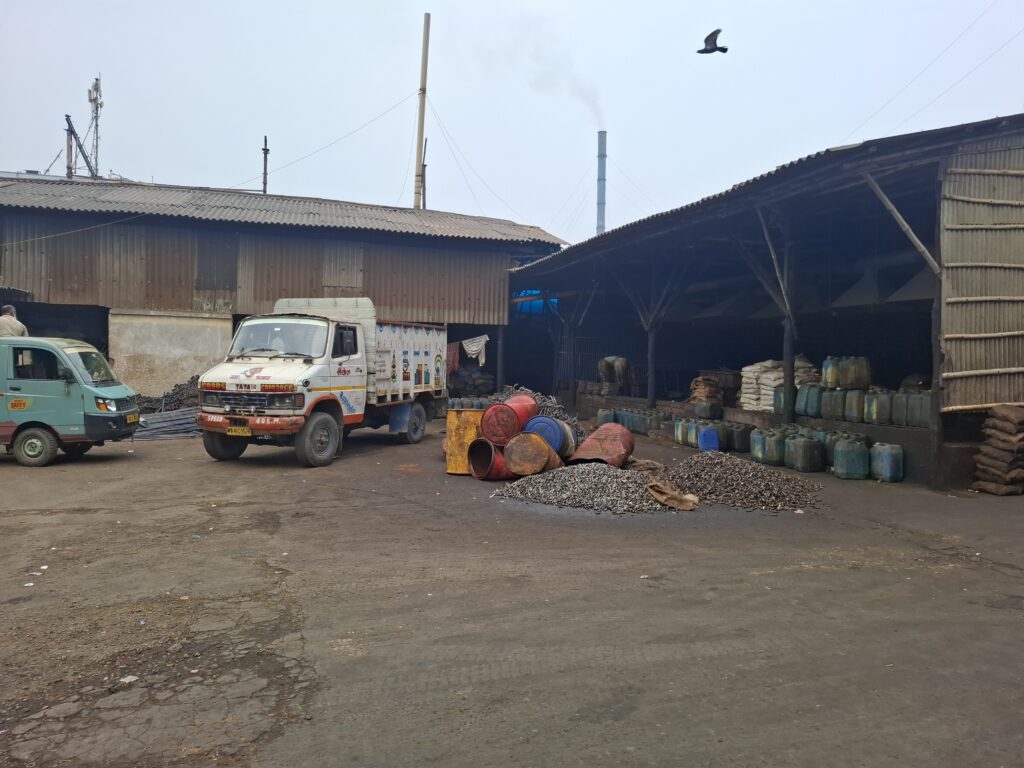
In Kolkata and elsewhere, those impacts are seen in two ways. The first has to do with firms that run a part of their manufacturing process on LPG. GJ Lighting Tower, for instance, uses LPG for iron plate and sheet cutting. “We can shift to plasma cutting, but will not be able to do cutting for heavy goods, as LPG is required for thicker cutting,” said Kamal Patra.
In Bengaluru’s Malur, too, CarbonCopy had run into firms facing a similar predicament. FabTools, a metal fabrications company like GJ Lighting Tower, sizeably runs on electricity. “We get 70% of our power from solar and 30% from Bescom (The Karnataka discom),” said an employee at the firm. “We, however, need LPG for cutting thick metal. Alternatives like Argon cannot cut thick sheets of metal.” That said, the unit needs just 5 cylinders a day. And so, said the employee, it might have to be bought from informal economy vendors. “Maybe, instead of paying the current ₹1,200, we will have to pay more. In the past too, at times of a shortage, we have paid 2x/3x.”
This creates, however, an incentive for blackmarketers to direct LPG supply away from auto-rickshaws and smaller eateries.
And then, there are the units which depend on the industrial intermediates produced from petroleum. Take India’s air-conditioner manufacturers. The sector, as Business Standard reported, uses LPG for “brazing and curing of powder coating”. Stocks of polypropylene and polystyrene, used for making fridges, washing machines, etc, are running low as well.
Even this, however, is not the full litany of costs. As has been reported elsewhere, there are other critical byproducts like urea, naphtha and sulphur. Shortages of each will come with fresh ripple effects. Urea, for instance, is critical for India’s farms.
Endgame
As the conflict in West Asia enters its third week, India is precariously placed. Industries’ energy and raw material stocks are starting to run low — even as replenishment remains elusive.
Units directly dependent on gas will have to either pay more for black-marketed gas, look for new alternatives, or fall back on the fuels they used before gas. The first two alternatives are costly and come at a time when India is heading into lower demand than before. As for the third, several of the alternative fuels being spoken about – like coal, briquettes and firewood – will further batter India’s already degraded environment.
Working on this report, CarbonCopy visited the plant of a battery manufacturer at Malur who exports batteries to West Asia — Syria, Dubai, etc. For six months now, the unit was seeing low sales as tensions rose in the region. Then came the conflict. “Half of our assembly line runs on electricity and the other half runs on gas,” said an employee. “We use electricity for the pre-preparation and the gas for final assembly. We were getting our gas supplies from Indane. But they told us two days ago that there is no gas. Which means our production stops unless we either electrify fully or switch to hydrogen. We could go for full electrification, but that will cost ₹1.5 crore,” said the employee at the battery manufacturing unit at Malur. “We had not switched so far thinking gas is affordable — and available.”
The alternative, said Piyush Goyal, a former executive at a City Gas Distributorship in Maharashtra, is to fall back on older forms of energy — fuel oil, furnace oil, methanol, coal, briquettes, etc.
Large questions lie here. Can all units switch? Also, if demand rises for, say, kerosene, that will come with its own knock-on effects for existing kerosene users.
In many ways, this is Covid Redux. Large parts of India’s economy are about to see either an energy shortage or a raw material shortage due to the preponderance of petroleum byproducts in industrial supply chains. As input costs rise, sales will drop and margins will come under pressure. Firms can either keep their units running — in which case, they will eat into working capital; or they can lay off people, in which case, there is a job crisis.
The (even) larger costs, though, will be ecological. There are rising reports about families, hostels and eateries switching to firewood – after just two weeks of the crisis. If the conflict continues, this use of firewood will only grow. And, as CarbonCopy reported last year, India’s forest bureaucracy is unable to rein in illegal felling. And so, with the West Asia crisis, India’s forests, too, enter a perilous new era.
Such are the costs of not decarbonising sooner.

A heatwave is sweeping across parts of western and central India, with temperatures already crossing 40°C in Vidarbha. Photo: Pixabay
Heat wave hits parts of India, temp crosses 40°C, weather office warns of more heatwaves ahead
A heatwave is sweeping across parts of western and central India, with temperatures already crossing 40°C in Vidarbha, prompting warnings from the India Meteorological Department (IMD) about severe heat conditions in several regions over the coming days, India Today reported.
According to the IMD, heatwave to severe heatwave conditions are very likely over the Gujarat region on March 11, while Saurashtra and Kutch could experience heatwave conditions on March 11 and 12. Isolated heatwave conditions are also expected to persist in parts of Gujarat through March
March will provide a short relief from heat before above-normal temperatures grip most of the country till May, the India Meteorological Department (IMD) said. HT reported that the weather office said: ““During the March to May season 2026, above-normal number of heatwave days are likely over most parts of east and east central India, many parts of southeast Peninsula and some parts of the northwest and west central India during March to May 2026. The normal number of heatwave days is likely over the remaining parts of the country. During March 2026, above-normal heatwave days are likely over isolated regions of Gujarat & Andhra Pradesh. The remaining parts of the country are likely to experience normal heatwave days,” the IMD said in a statement.”
“During the March–April–May (MAM) season, the increased likelihood of heatwave conditions may pose significant risks to public health, water resources, power demand, and essential services, particularly affecting vulnerable populations such as the elderly, children, outdoor workers, and individuals with pre-existing medical conditions. Elevated temperatures can lead to heat-related illnesses and additional stress on infrastructure and resource management systems,” IMD said.
Climate crisis accelerated in past 10 years: Study
Global warming has rapidly accelerated over the past 10 years, scientists have concluded with 98% certainty and statistical confidence, reported HT.
Natural warming events such as El Niño, volcanic eruptions and solar variations accounted for, scientists found a statistically significant acceleration of the warming trend. Since 2015, the estimated warming rate has been around 0.35 degrees Celsius per decade, depending on the dataset, compared with an average of just under 0.2 degrees Celsius per decade from 1970 to 2015, the Potsdam Institute for Climate Impact Research (PIK) said. This rate is higher than in any previous decade since the beginning of instrumental records in 1880, the authors stated.
Earlier, the Copernicus Climate Change Service (C3S) had reported that global temperatures over the past three years (2023-2025) averaged more than 1.5 degrees Celsius above pre-industrial levels, marking the first three-year period to exceed the threshold. Berkeley Earth, which focuses on land temperature data analysis, warned that the warming spike from 2023 to 2025 appears to have deviated significantly compared to a largely linear warming trend during the 50-year period from 1970 to 2019. The 2023 to 2025 excursion would be by far the largest deviation from that trend, Berkeley Earth said.
The study concluded that if the warming rate of the past 10 years continues, the Paris Agreement 1.5 degrees Celsius warming limit will be breached by 2030.
Chamoli avalanche, Wayanad landslide, other disasters were avoidable: NDMA report
The deaths in the 2012 Chamoli avalanche (77 dead, 127 missing), 2024 Wayanad landslides (225 dead, 138 missing) and other such disasters could have been averted but weren’t because of flawed project assessment and planning methodologies, National Disaster Management Authority said.
In Chamoli the methodologies to assess the Himalayan region didn’t work, and Wayanad showed gaps in long-term risk reduction planning and community preparedness, HT reported citing NDMA report that highlighted the need for improved infrastructure strategies in vulnerable regions.
The compilation of 10 preventable disaster cases include the Silkyara tunnel’s troubled construction history provided numerous warning signals that were inadequately addressed before the 2023 collapse, the report said.
Decades of warming and shifting rains reducing forest cover in central India: study
A new study found that Panchmarhi Biosphere Reserve (PBR) in Madhya Pradesh lost about 13% of its forest cover between 1972 and 2020, driven by both climate shifts and human pressures. The researchers analysed 50 years of climate data and examined its relationship with the PBR, which is also facing pressures from encroachments and extraction, reported Mongabay. Between 1972 and 2020, the PBR lost approximately 13% of its forest cover, amounting to 391 sq km.
Rising temperatures and shifting rainfall have increased forest fire risk with dry teak forests seeing the steepest canopy loss, the research said. Among the most notable findings attributed to climate change is an increase in forest fires.
Central India’s forests stretch over an area of over 40,837 square kilometres across Madhya Pradesh, Maharashtra, and Chhattisgarh. Researchers said they couldn’t find areas that had been recorded as forest patches in 1972, because by 2020, they had either turned into scrub forests or been converted into other types of land use.
Aravallis lost 13% soil over the past 7 years, rapid urbanisation blamed
The Aravalli Mountain System has seen 13.8% increase in soil loss between 2017 and 2024 because of rapid urbanisation, mining and increased rainfall, a new research has found.
HT reported that the study concluded that steep slopes, susceptible soils and mining areas are strongly associated with erosion hotspots. It warned that local conservation efforts, despite a significant increase in afforestation, cannot compensate for massive land conversion.
The newspaper noted that Aravallis are long held as the only natural barrier between Delhi and its surrounding regions and the deserts of Rajasthan to the west, with the mountain range having lost 31 of its hills since 1967-68, according to a 2018 report by the Supreme Court-appointed Central Empowered Committee.
India’s report to CBD: Field trials of several GM crops underway
India is conducting confined field trials for several genetically modified (GM) crops
India is carrying out restricted field trials for several genetically modified (GM) crops such as vitamin A and iron-fortified bananas, insect-resistant pigeon peas, and stress-tolerant rubber, HT reported. The trials were disclosed in India’s seventh national report to the Convention on Biological Diversity (CBD), which outlines the country’s implementation of the Global Biodiversity Framework.
Nairobi floods: At least 66 dead after heavy rains
66 people have been killed in Kenya (33 in Capital Nairobi) after heavy rain overnight caused severe flooding, BBC News reported, adding: More than 100 people have been killed in neighbouring Ethiopia following floods and landslides in the south of the country. The outlet explained that many factors contribute to flooding, but a warming atmosphere caused by climate change makes extreme rainfall more likely. Reuters said: “Scientists say global warming is worsening floods and droughts across east Africa by concentrating rainfall into shorter, more intense bursts. A 2024 World Weather Attribution study found climate change had made devastating rains in the region twice as likely as before.”

Centre will set up a Standing Authority on Environment Impact Assessment (SAEIA), which will appraise projects when state-level impact assessment authorities are non-functional. Photo: Pixabay
India to Set up New Authority to Curb Delays in Environmental Appraisals
To fast-track environmental clearances (EC) further, the Centre will set up a Standing Authority on Environment Impact Assessment (SAEIA), which will appraise projects when state-level impact assessment authorities are non-functional. The body will also do other tasks assigned to it, HT reported citing a policy draft.
The draft said the tenure of SEIAA and State Level Expert Appraisal Committee (SEAC) is three years, extendable by one year. In the absence of SEIAA/SEAC, appraisal of projects within their domain is carried out at the central level. The process of reconstitution is initiated six months before expiry, and delays occur due to late or incomplete submission of proposals from states.
“It has been observed that delayed reconstitution of SEIAA leads to a complete halt in the EC process at the state levels, and the pending proposals are transferred in bulk to the Centre, leading to … unwarranted delays in the appraisal of the projects, thereby impacting project timelines and investor confidence,” the draft said.
Env min committee declines minimum depth exemption to coal gasification projects
The Union environment ministry declined an exemption to minimum depth for underground coal gasification (UCG) projects in view of environmental impacts, HT reported, adding that the coal ministry had sought relaxation of the minimum depth condition (>300 m) prescribed earlier for pilot-scale Underground Coal Gasification (UCG). The coal ministry cited the 36 pilot studies conducted across nine countries, with emphasis on Uzbekistan’s Podzemgaz UCG Station, which has been operating since 1961 at a depth of approximately 150–200 m and producing syngas.
The panel said that critical parameters governing the environmental safety of Underground Coal Gasification vary across coalfields in India and cannot be compared with global UCG projects.
“Given the heterogeneity of Indian conditions and the variability in hydrogeological and geomechanical settings from region to region, international precedents cannot be treated as directly comparable benchmarks. In view of the precautionary principle and the need to ensure long-term environmental safeguards, the Committee concluded that exemption from the prescribed minimum depth criterion of 300 metres cannot be granted,” the committee noted.
The Coal Gasification Mission launched in 2020 has a target of 100 million tonnes by 2030. Coal gasification is a thermo-chemical process to turn coal into synthesis gas, comprising carbon monoxide and hydrogen.
More than 350 sq km of tree cover lost in Himalayan Region between 2021 and 2023: Centre to House
The Centre told Parliament that tree cover in the Indian Himalayan Region declined to 15,075.5 square kilometres (sq km) in 2023 from 15,427.11 sq km in 2021, according to the India State of Forest Report (ISFR) 2023, DTE reported. The outlet added that the total carbon stock in forests across the Indian Himalayan Region has been estimated at 3,273.10 million tonnes in ISFR 2023, compared with 3,272.68 million tonnes in ISFR 2021, the minister added.
The Indian Himalayan Region spans 13 states and Union Territories — Jammu and Kashmir, Ladakh, Uttarakhand, Himachal Pradesh, Arunachal Pradesh, Manipur, Meghalaya, Mizoram, Nagaland, Sikkim, Tripura, Assam and West Bengal, the report noted.
US-Israel war on Iran hits India’s basmati exports
Amid USA-Israel war on Iran, around 400,000 tonnes of basmati rice is stranded at ports or mid-transit due to shipping disruptions, DTE reported, adding that exporters want government to waive port charges and recognise the crisis as force majeure. The outlet said freight rates on Asia–Gulf routes have surged to $3,500–$4,500 per container. West Asia accounts for 60–70% of India’s basmati exports; Iran alone buys up to 20%. Exporters warn rising fuel, insurance and logistics costs are squeezing contracts and cash flows.
EU countries give final approval to 2040 climate target for 90% emissions cut
New EU climate target that aims to cut emissions 90% can now become a law Reuters reported. EU is facing political pushback on green agenda, the report said.
European Union countries gave the final approval to a new climate target to slash greenhouse gas emissions 90% by 2040, pressing ahead with the bloc’s ambitious climate agenda despite political resistance.
The new climate target is a hard-fought political compromise, struck by governments and EU lawmakers last year.
The news wire explained that in practice, the target will require an 85% emissions reduction from European industries against 1990 levels. The outlet noted that the EU will pay developing countries via carbon credits, so they cut emissions on Europe’s behalf to make up the rest, to reach 90%.
Spain, said worsening droughts and wildfires justified more ambitious goals, but Poland and Italy, sought to soften the emissions cuts, arguing that struggling industries cannot afford the upfront investments.
India witnessed the biggest fall in GHG emissions among major countries in 2025, even as global emissions rose in several key sectors. Photo: Pixabay
India Recorded Largest Emissions Drop in 2025 as Power Sector Pollution Declined: Report
India witnessed the biggest fall in greenhouse gas (GHG) emissions among major countries in 2025, even as global emissions rose in several key sectors, DTE reported citing new data from Climate TRACE, attributing the drop to higher renewable energy deployment.
Across 10 major emitting sectors worldwide, the biggest rise in emissions in 2025 came from fossil fuel operations, which increased by 1.56%, or 151.57 million tonnes (mt) of carbon dioxide equivalent (MtCO₂e).
The outlet said emissions rose in transportation, manufacturing and buildings, but the power sector — the single largest source of global emissions — recorded a slight decline.
Clean energy solutions like renewable sources of power and electric vehicles are taking hold in many locations around the world, and as a result, emissions are beginning to decline in these regions, Climate TRACE data noted, the article said.
NGT raps Haryana’s Yamunanagar stone crushers for environmental violations
An National Green Tribunal (NGT) panel found rampant violations of green norms by the stone crushing units in Haryana‘s Yamunanagar, TOI reported.
Several units had non-functional or inadequate sprinklers, failed to maintain dust collectors, left conveyor belts uncovered, and did not follow housekeeping norms. None of the units secured the mandatory two-row avenue plantation approval from the forest department, as required under the September 2, 2025 notification, the outlet said.
The tribunal said: “None of the stone crusher unit got approved the plantation plan for two rows of avenue plantation from DFO Yamunanagar as per notification dated 02.09.2025.”
Sulphur dioxide emissions from Bokaro Steel Plant go unrecorded: Report
Though it met emission norms, sulphur dioxide pollution from the Bokaro Steel plant went unrecorded, leading to around 273 low birthweight births, and 284 preterm births each year, found a new report by the Centre for Research on Energy and Clean Air (CREA). The report, covered by Mongabay, said sulphur dioxide emissions from the plant’s sintering unit are ignored due to a gap in regulatory requirements. The outlet explained that as there are no viable innovations yet for replacing coal in steel-making, investing in better air monitoring and filtration could help reduce pollution, suggested the analysis.
The report said decarbonising the steel industry — one of the largest coal consuming industries in India — focuses primarily on reducing carbon dioxide emissions to prevent the greenhouse gas effect. However, industrial processes in steel-making also cause air pollution, releasing sulphur dioxide, nitrogen oxides, and particulate matter, all of which adversely impact public health.
Bombing of Iran’s oil infrastructure to have major environmental fallout: WHO
Israel’s bombing of Iranian oil infrastructure will have “major long-term environmental repercussions”, according to the World Health Organization (WHO), reported the Guardian. The outlet added that two days after the Shahran oil depot north-east of Tehran and the Shahr-e fuel depot were bombed by warplanes, they continue to burn. The newspaper said, in the immediate aftermath, Iran’s environmental agency warned residents to stay at home, due to the toxic chemicals spread by the airstrikes on fossil-fuel installations that could lead to acid rain. the head of the WHO, Tedros Adhanom Ghebreyesus, who said: “Damage to petroleum facilities in Iran risks contaminating food, water and air – hazards that can have severe health impacts, especially on children, older people, and people with pre-existing medical conditions.”
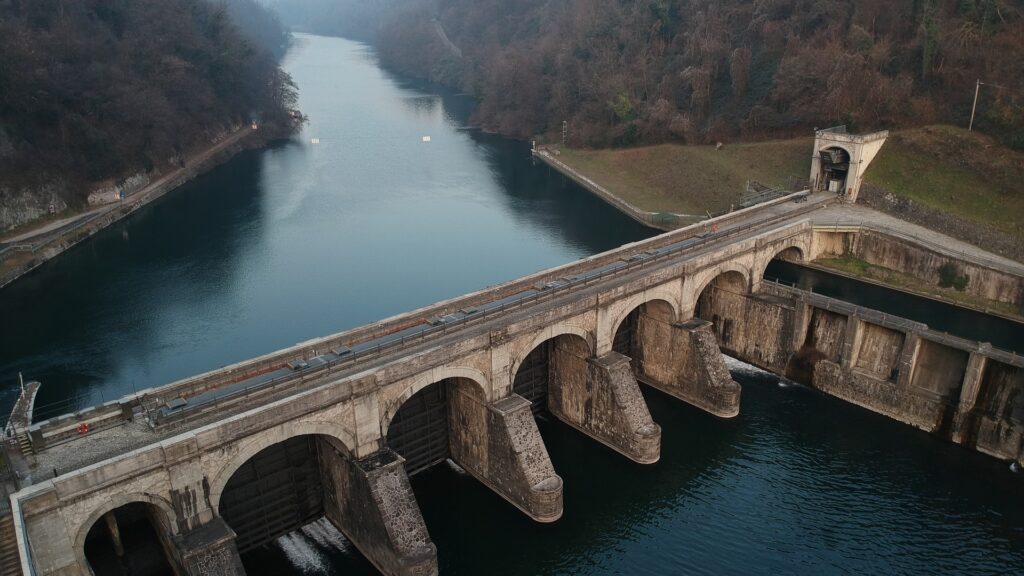
Modi said that India’s push to develop renewable energy and electric vehicles would cut its fuel needs. Photo: Pixabay
PM says cut dependence on imported energy, RE and EV is the answer
Prime minister Narendra Modi, speaking at a meeting in Kerala, said that the country needs to become less dependent on imported energy, reported Bloomberg. Modi added that India’s push to develop renewable energy and electric vehicles would cut its fuel needs. The prime minister stressed that India had “taken steps over the years to achieve” more energy independence, citing India’s increased solar power capacity.
Centre identifying sites in J&K for new hydropower projects, says Power minister
India’s Union Power minister said the government is identifying sites in Jammu and Kashmir to set up new hydropower plants in the region, TOI reported. The minister said some plants are already functional and at others desilting of reservoirs is being carried out.
The minister said the Centre is also studying financial viability and possibility of diverting water from the region towards Punjab, Rajasthan, UP, Haryana through canals.
Ghaziabad mandates Rooftop Solar in New Residential Building Plans
Ghaziabad authorities mandated new measures, which include rooftop solar installations and rainwater harvesting, in new residential buildings. Once approved the sustainability measures will have to be included in the building during the construction phase, ET reported.
The aim is to improve renewable energy and water conservation in districts, the report said.
China’s five-year plan downplays solar after rapid deployment
China has “downplay[ed]” the development of solar energy in the draft of its 15th “five-year plan”, with no specific target for solar installations by 2030 and only “few and far between” mentions of the industry, reported Bloomberg. The report said, instead, the country focuses more on other initiatives that support energy transition, while setting the goal of “doubling offshore wind power capacity” and targets for nuclear and pumped hydro. The “absence” of solar energy does not signify a “rejection”, but rather signals a “strategic shift”,
The country has set an ambitious target of over 100 GW of new installed capacity of pumped storage hydropower, reaching 100 GW total capacity of offshore wind, and increasing interprovincial connectivity to facilitate the transfer of 420 GW clean energy by 2030, CarbonCopy reported.
Eastman starts production at 800 MW solar module facility in Sonipat
Eastman Auto & Power operationalised an 800 MW solar PV module manufacturing facility in Sonipat, Haryana, PV Magazine reported. The company said all solar modules manufactured at the Sonipat facility are fully compliant with domestic content requirement (DCR) norms and standards set by the Ministry of New and Renewable Energy (MNRE), ensuring eligibility for government-supported solar programmes. “By combining high-quality solar manufacturing with advanced energy storage systems, we aim to provide energy solutions that enable faster rooftop solar adoption under initiatives like PM Surya Ghar Muft Bijli Yojana and create long-term value for customers and the clean energy ecosystem.”
China commissions first urban underground vanadium flow battery system
China launched its first urban underground VFB system, a 1.25 MW installation in a commercial building basement to address space and safety constraints that limit lithium-ion and sodium-ion batteries in dense urban areas. It aims to cater to the growing demand for energy storage in places where safety regulations and space constraints limit the use of conventional battery technologies, PV Magazine reported.
The system is designed to support a 1.1 MW air-conditioning load, ensuring a stable power supply during periods of peak demand and grid restrictions. By charging during low-cost off-peak hours and discharging during daytime peak periods, the system helps reduce electricity costs, while maintaining uninterrupted cooling during summer power shortages, the outlet said.
Indian Manufacturing, Solar Modules Face US probe into ‘excess production”
The United States initiated a section 301 probe against India and some other countries to examine structural excess capacity and production in manufacturing. The aim is to know if countries’ policies or practices are contributing to structural overcapacity in manufacturing sectors that could distort global markets and harm U.S. commerce, Mercom reported. Section 301 probes can lead to trade measures such as tariffs or other restrictions, the outlet said.
The US illustrative list of sectors plagued by excess capacity and production includes solar modules, batteries, energy goods, and semiconductors.
According to the US agency USTR manufacturers produce more goods than domestic markets can absorb, leading to increased exports that can depress global prices and affect competing industries.
Solar “mini-grid” success depends on reliability and the capacity for long-term governance: Study
New research on solar mini grids set in Colombian Island communities have found that declining reliability, high operating costs, and limited technical capacity undermined their performance, Science Direct reported. As reliability declined, communities adapted through private diesel generators and informal electricity-sharing networks, increasing costs and reinforcing inequalities. The paper called it adaptation to broken mitigation: when renewable energy interventions designed to reduce fossil fuel dependence fail to deliver reliable service, communities reorganize socially and economically to cope with persistent energy insecurity. The findings demonstrate that electrification alone cannot achieve objectives. Sustainable mini-grid transitions require reliable system design, long-term governance capacity, and coordinated investments in social infrastructure.
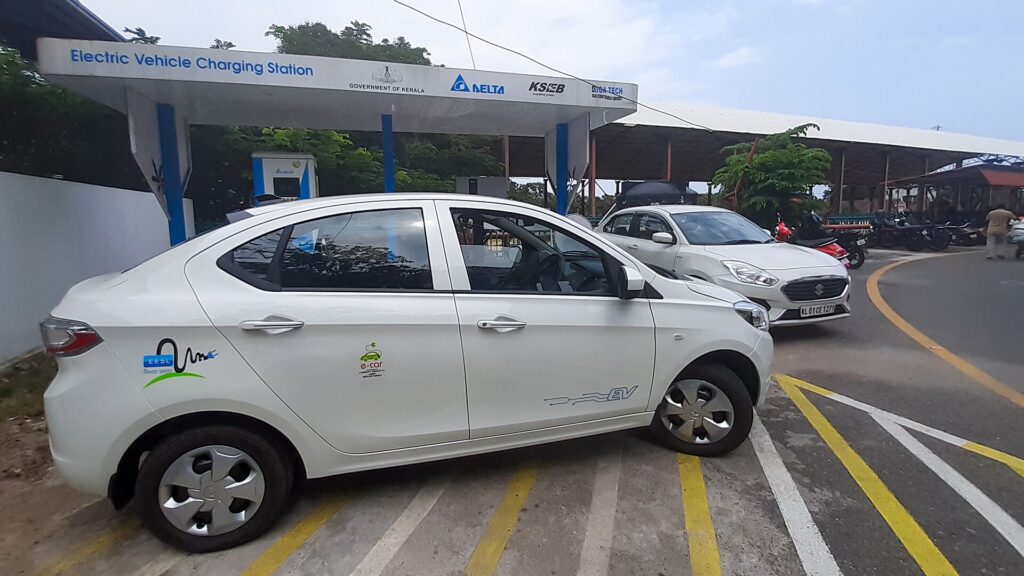
India’s EV sector saw registrations surging by 91% over the past five years. Photo: Wikimedia Commons
India’s EV Registrations Shoot up by 91% Over Five Years
India’s EV sector saw registrations surging by 91% over the past five years. According to official data, the number of registered EVs jumped from 1.74 lakh in FY20 to a staggering 19.68 lakh in FY25, reported ET Auto. The surge is largely due to a robust policy framework. The government’s Production Linked Incentive (PLI) schemes—with a combined outlay of over ₹44,000 crore—have successfully incentivized local manufacturing of both vehicles and Advanced Chemistry Cell (ACC) battery storage. Furthermore, the ₹10,900 crore PM E-DRIVE scheme has made two-wheelers and three-wheelers more affordable, which currently lead the market in terms of volume.
New initiatives are targeting the domestic production of rare earth magnets and 50 GWh of battery capacity. These efforts aim to reduce import dependency on critical minerals, ensuring that the next five years of growth are supported by a secure and sustainable domestic supply chain.
Honda scraps 3 global EV models amidst market shift
Honda announced the cancellation of three upcoming electric vehicle models previously slated for global markets, reported TOI. The decision came as the automaker responds to cooling demand in North America and stiff competition by Chinese automakers.
However, its plans for India remain on a growth trajectory. Its ‘Concept 0 Alpha’ project—a centerpiece of its Indian EV strategy—is unaffected. This model is expected to be a born-electric SUV, tailored for the domestic market. Industry analysts suggest Honda is shifting focus away from high-volume, low-margin EVs in saturated markets to prioritize software-defined vehicles (SDVs) and high-growth regions like India.
Parliamentary panel flags slow progress for e-buses, trucks under PM E-DRIVE
A new report by the Parliamentary Standing Committee on Industry reveals that India’s flagship EV incentive program, PM E-DRIVE, has seen uneven success, reported The Week. The report flags a critical “nil physical achievement” in heavy-duty categories, including electric buses, trucks, and ambulances, which are vital for urban air quality. While subsidies for mass-market e-2Ws and e-3Ws are set to expire on March 31, 2026, incentives for heavy vehicles have been extended to 2028 due to their nascent market status.
As of January 2026, the scheme achieved 58.6% of its target, but progress is heavily concentrated in the two-wheeler and three-wheeler segments. Additionally, the committee expressed concern over a sharp budget cut for demand incentives in 2026-27 and urged the government to include electric cars in the scheme to bridge the affordability gap for the middle class.
AI must address real world problems, says environment minister
Union Environment Minister Bhupender Yadav emphasised that AI is not an end goal but a tool whose true value lies in solving real-world challenges, according to a report by HT. Speaking at the launch of the book Smarter Than the Storm: Championing the AI-Climate Nexus for a Truly Sustainable Future by Amitabh Kant and Siddharth Sinha, Yadav highlighted AI’s potential to improve system efficiency and manage climate risks.
However, the Minister cautioned that AI demands significant energy, competing with humans for resources like air and water. He asserted that the human experience must remain central to technological progress, stating there can be no artificial intelligence without real human intelligence. He said that India is positioning itself as a leader by focusing on applied use cases and digital public infrastructure to ensure AI remains inclusive, affordable, and ecologically responsible.
Xiaomi deploys humanoid robots in EV factory
Tech giant Xiaomi is integrating self-developed humanoid robots into its electric vehicle (EV) production lines, reported Futurism. At its HyperFactory in Beijing, the Chinese company has begun trials of these robots for intricate tasks, such as installing nuts and moving materials. These humanoids are operating alongside over 700 traditional industrial robots, achieving an extremely high level of automation that allows a new SU7 sedan to roll off the line every 76 seconds.
Xiaomi President Lu Weibing said that during pilot tests, the robots successfully completed 90% of their assigned tasks within three-hour shifts. The facility also features 100% automated key processes and advanced AI quality inspections with 99.9% accuracy. By bridging the gap between consumer electronics and heavy industry, Xiaomi aims to use these robots as flexible complements to traditional automation, signaling a future where humanoid machines are standard in smart manufacturing.
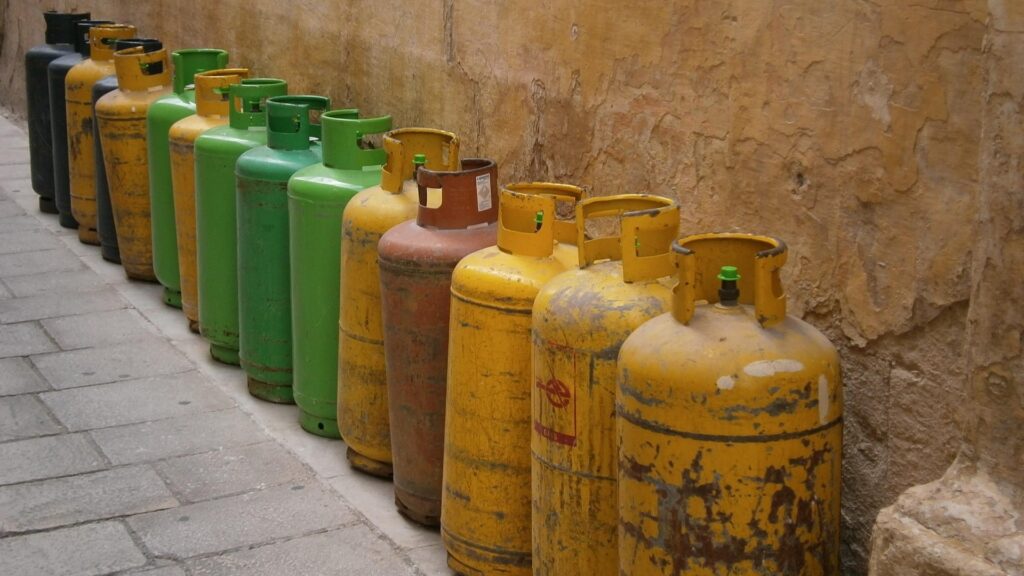
Food items such as dosas, samosas, and non-vegetarian food are no longer being served due to the increased gas consumption. Photo: Pixabay
Kitchens Across India Switch to Simpler Meals Due to LPG Shortage
Commercial shortage of LPG has started affecting the canteen menus across the country. Food items such as dosas, samosas, and non-vegetarian food are no longer being served due to the increased gas consumption required for cooking, reported The Economic Times.
Some companies are also installing induction cooktops, electric rice cookers, and electric roti makers. Firewood chulhas are also making a comeback, alongside simpler meals that require simpler cooking, such as packaged foods and sandwiches to keep workers fed. Supply of tea in some plants has been curtailed.
Jindal Stainless Flags Operations Disruption Due to Fuel Shortage
Jindal Stainless Limited announced that its plants were operating at a reduced capacity due to gas shortage due to the war, reported Reuters. The company said that due to heavy dependence of stainless steel manufacturing on industrial gases such as propane/ LPG, and natural gas, several processes across their plants have been adversely impacted.
The company also flagged pressure on supply chains and margins from disruptions in global shipping routes that have caused vessel diversions, longer transit times and cargo delays.
Oil Prices Rise Despite Trump Lifting the Sanctions on Russia
Global oil prices rose 2.7%, to more than $103 on Friday despite US President Donald Trump’s decision to lift sanctions restricting the purchase of Russian crude, reported The New York Times.
This gain on the price of Brent crude, the global benchmark for oil, was of more than 11 percent for the week, and more than 40 percent since the start of the war in late February.
India Turns to Polluting Fuels to Ease Pressure on Gas Channels
Petroleum minister, Hardeep Singh Puri, told the Parliament that alternative fuels such as kerosene, biomass, and fuel oil are being activated to ease pressure on LPG and gas channels, reported Bloomberg.
Additionally, the ministry of environment has also advised the state pollution control board to allow commercial kitchens to pellets made of municipal waste, coal, kerosene, and biomass.
Trump Announces $300 billion Oil Refinery Investment with Reliance Industries
US President Donald Trump announced that the United States will be constructing a new oil refinery for the first time in the last five decades in Brownsville, Texas. The refinery project will be developed by America First Refining, with involvement from India’s Reliance Industries, reported Hindustan Times.
The project first gained momentum in February when America First Refining secured a nine-figure investment from a global energy major at a ten-figure valuation, providing a financial boost to the project.
India Buys 30 Million Barrels of Russian Oil After US Waiver
India has purchased 30 million barrels of Russian oil after the US issued a 30 day waiver allowing the country to buy shipments already stranded at sea, reported Times of India.
Following the waiver, Indian refiners, Indian Oil Corporation and Reliance Industries bought up nearly all available Russian cargoes in the spot market. Most of the crude has already been loaded up onto the tankers and was moving through Asian waters without committed to any buyers.
India May Boost Coal Usage for Summer as West Asia Crisis Hit LNG Supplies
India may lean more on coal usage to meet peak power demand in summer as Liquified Petroleum Gas supplies tightens due to the US-Israel War on Iran, reported Reuters.
According to the report, the power ministry is looking to bring coal power plants out of planned outages and asking generators to avoid shutting down during peak summer months.
Kremlin Says War in Iran Boosted Demand for Russian Energy
The Kremlin said the war in Iran has fuelled significant demand for Russian oil and gas, boosting exports that were affected by sanctions linked to Russia’s war on Ukraine, reported Reuters.
The Russian oil which was selling at a discount for $10-$13 before the US and Israel waged war on Iran, is now selling at a premium of $4-$5 over Brent upon delivery to India in March or early April.