


The US-Israel attack on Iran spotlights India’s dependence on oil chokepoints and underscores the urgency of diversifying supply and accelerating renewables




The US-Israel attack on Iran spotlights India’s dependence on oil chokepoints and underscores the urgency of diversifying supply and accelerating renewables
As the attack by America and Israel on Iran enters its third day, the world is torn between incomprehension and comprehension.
What happens next in the war theatre is anyone’s guess. How long will the battle last? Can Iran inflict enough damage for the US and Israel to withdraw? If it lasts long, what will it mean for West Asia? Might Israel or Saudi Arabia establish dominance over the region? What happens to smaller kingdoms like Qatar, Bahrain and Kuwait — and to the economic zones of Dubai and elsewhere? Will they continue to attract capital?
Even as these questions remain impossible to answer, comprehension is dawning elsewhere.
For countries in the Global South, and especially India, the attack on Iran collapses several anxieties into one moment: energy dependence laid bare, international law treated as optional, and economic power concentrating in fewer, more unaccountable hands. Oil prices may spike, yes. But the deeper shock is political. It is about sovereignty, about climate pathways that may now be derailed, and about whether developing countries will be pushed yet again into choosing sides in someone else’s war.
The energy question
As of this moment, most attention has focused on oil prices. “WTI crude oil futures rose more than 6% to above $71 per barrel on Monday, the highest in over eight months, after earlier surging as much as 10% as unprecedented joint US and Israeli strikes on Iran sharply escalated tensions across the Middle East,” wrote Trading Economics.
They will rise higher yet. Between tankers turning back before the Strait of Hormuz, the prospect of wider war in West Asia, and profiteering by the oil industry, crude prices might rise by as much as 50% in the coming days.
Both disruptions to supply and spikes in crude prices will exact a heavy price on countries. Take India. It sources 40% of its oil through the Strait of Hormuz — and over 50% of its oil, 60% of its LNG, and 80% of its LPG from West Asia. For this reason, the US and Israeli attack on Iran is one more reminder of the country’s energy dependence in general — and on West Asia in particular.
The short-term picture is impossible to predict. Diversification of petroleum sources is easier said than done. In part because India’s oil purchases are large — the country is the third-largest consumer of crude oil in the world. Finding an equivalent amount of crude, LPG or LNG from other markets is not easy, especially with the US proscribing further oil purchases from Russia, one of the biggest petroleum producers in the world.
That leaves India with oil producers like the USA, Canada and Venezuela but, as CarbonCopy has said earlier, much of this oil is very expensive by the time it reaches India, which will result in the government and oil companies selling it at a loss.
The country’s other option is to work harder on energy independence. Which means continued reliance on coal, and a redoubling of effort on coal gasification and renewable energy (RE), especially solar. Each of these, however, comes with large challenges.
Coal is intensely polluting. As for coal gasification, while India aims like China (it, too, uses coal gasification as a hedge against oil exports) to convert 100 million tonnes of coal into syngas by 2030, large questions abound there. While the country is seeing commercial-scale coal gasification projects, adding up to about 25-30 million tonnes, these are mostly being set up by industrial plants for their own use. A wider scaffolding that can accelerate adoption of syngas (and other byproducts) is still missing.
For this to happen, India has to start building large-scale coal gasification utilities that produce syngas and then supply it to industries located around them.
Renewables come with their own challenges. India’s RE supply chain — be it for photovoltaics or EVs — is highly dependent on China. The country, as we know, leads the world in everything from critical mineral stockpiles to RE technology to manufacturing capacities.
India has to build its own capabilities in the RE sector to achieve meaningful energy independence. For this to happen, the country has to invest in R&D, source critical minerals more aggressively, and redo the design of its broken RE markets so that it can add RE faster.
Other countries sourcing oil from West Asia will have to contend with similar questions.
These, however, are relatively long-term questions, hinging substantially on how long the war in West Asia will last.
Yet larger questions lie elsewhere.
Pax Americana, redux
What the world is seeing right now is a fight between those who defend the global rule-based order, imperfect as it was, and those who want to do away with it — and profit from the deregulation that follows.
Iran was attacked even though its talks with the US, over Tehran’s nuclear ambitions, were making headway. The two sides planned to resume negotiations after consultations in their countries’ capitals, with technical-level discussions scheduled to take place this week in Vienna. And then, taking everyone by surprise, Israel and the US attacked Iran.
This is an extraordinary moment. Much has been written about how, in the run-up to their invasion of Iraq, the US lied to the UN Security Council about Iraq’s WMD (Weapons of Mass Destruction) stockpile. This time around, both multilateral bodies like the UN and institutions in the US like the Congress have been entirely bypassed. “Article 1 of the Constitution gives Congress, not the president, the power to declare war,” wrote NPR, adding: “Party leaders from both chambers, as well as the Intelligence committees’ leadership — were notified by the White House shortly before the attack.”
Ignoring international law has become a familiar script. Israel has persisted with it in Gaza. Trump captured a head of state — Nicolas Maduro of Venezuela — this January. Thereafter, unaccountable bodies like the Board of Peace have been created.
“We warned you,” tweeted Francesca Albanese, the United Nations Special Rapporteur on the Occupied Palestinian Territories. “The wholesale destruction of Gaza was not an exception, it was a blueprint to crush anyone who opposes the plutocratic imperialism embodied by US/Israel and their global allies. Act now: defend int’l law from lawlessness, before the rupture becomes irreversible.”
Endgame
Energy insecurity is just the start.
If the world enters a future where the US dominates the West; Israel (or Saudi) eyes West Asia; China lords over Asia; and Russia rules the Caucasus, will smaller countries willingly become vassal states? If they, instead, decide to invest more in their defences, the world will see an accompanying drop in expenditure on decarbonisation and climate action — and possibly, a new nuclear race.
The world has seen such rejection of hegemons in the past — the rise of the Non-Aligned Movement is one instance — and it remains to be seen how countries respond this time around. Can they, as economist Joseph Stiglitz has suggested, isolate the US, and boost trade between themselves? In essence, what the world needs is two fights — one to protect (and improve) the global rule-based order; the other to curb concentration of economic power and protect democracies everywhere.

Even under a 2°C scenario, the annual average temperature of 81% of 104 tropical cities across the world will warm much faster compared to villages. Photo: Pixabay
Cities may heat up disproportionately faster than rural neighbours, even at 2°C warming
Even under a 2°C scenario, the annual average temperature of 81% of 104 tropical cities across the world will warm much faster compared to villages around them, a new study found, Mongabay reported.
The analysis said India is a hotspot for increased urban warming, influenced by climate change. Medium-sized cities such as Patiala and others in north India show substantially higher warming than regional projections, raising concerns that conventional climate models may underestimate urban heat exposure, the outlet said, citing the study.
India’s cold wave events shifting, no longer confined to core winter months: DTE analysis
February 2026 is “the first [such month] in five years when a cold wave has not been recorded” in India, reported DTE. India recorded 24 cold wave/cold day events in January 2026, with no such conditions reported in February, an analysis by Down To Earth (DTE) found. With the winter season officially ending on February 28, the total is unlikely to rise further, especially as the India Meteorological Department (IMD) has forecast maximum and minimum temperatures to remain 2-4°C above normal across most parts of the country.
The highly salty Southern Indian Ocean is getting fresher due to global warming: Study
The Southern Indian Ocean off the southwest coast of Australia, one of the saltiest parts of the global ocean, is turning fresher at the surface and losing its salinity, which is reducing food availability in shallow waters, with implications for ocean biodiversity, according to a new study by the University of Colorado Boulder, DTE reported.
The salty area has decreased by 30% over the past six decades, representing the most rapid increase in freshwater observed anywhere in the Southern Hemisphere, according to the study. The amount of freshwater flowing into this ocean area is enough to supply the entire U.S. population with drinking water for more than 380 years, the study’s lead author said.
The freshening is not the result of local precipitation changes; rather, global warming is altering surface winds over the Indian and tropical Pacific Oceans. These wind shifts are pushing ocean currents to channel more water from the Indo-Pacific freshwater pool into the Southern Indian Ocean.
The implications are grim. For one, it could transport fresher water into the Atlantic, the outlet said. Reduced mixing could also impact marine ecosystems. “When nutrients from deeper waters fail to reach the sunlit surface, organisms living in shallow waters have less food. Weaker mixing also prevents excess heat in the surface waters from dissipating into deeper layers, making shallow waters even hotter for organisms already under stress from rising temperatures,” the statement said.
Overshooting 1.5°C could heighten tipping point risks, review warns
Since emission reductions have slowed in recent years, it is increasingly likely that global warming will exceed the 1.5°C temperature limit in the late 2020s or 2030s, which could cause several Earth system tipping elements to temporarily surpass their tipping points, posing profound risks, a new study found. The study added that minimising the magnitude and duration of any temperature overshoot beyond 1.5°C could decrease tipping risks.
Tipping elements with fast response times, such as warm-water coral reefs, are especially vulnerable to overshoot. In contrast, those with slow response times, such as polar ice sheets, may be less sensitive to temporary overshoot. Potential interactions between tipping elements and additional human pressures, such as deforestation in the Amazon or pollution and overfishing of coral reef habitats, may further lower tipping points, narrowing the range of overshoot trajectories that can still avoid it.
Integrated strategies can boost soil health, curb antibiotic resistance and strengthen food security: Study
A new study explored the interconnected challenges of climate change, soil health and human health, stressing the need for integrated strategies that address ecosystem resilience and public health protection simultaneously. It said that efforts to improve soil health, reduce antibiotic resistance and promote sustainable agricultural practices can also help tackle the climate crisis, offering benefits such as increased food security and improved public health.
The researchers added that key measures to improve soil health include the use of organic amendments, crop rotation, reduced tillage and antibiotic stewardship. Collectively, these approaches offer tangible benefits, including stronger food security and better public health outcomes. The findings underscore the importance of integrated management practices to ensure ecosystem resilience and sustainable development amid escalating climate pressures, the study said.
Amazon deforestation on pace to be the lowest on record, says Brazil
According to the latest satellite data, deforestation in the Brazilian Amazon has continued to fall into early 2026, extending a downward trend, Mongabay reported. Brazil’s National Institute for Space Research (INPE) found that 1,325 square kilometres of forest clearing took place between August 2025 — the start of the country’s deforestation year — and the end of January 2026.
The outlet cited Environment Minister Marina Silva, who attributed the decline to strengthened enforcement and municipal cooperation, saying Brazil could record the lowest Amazon deforestation rate since record-keeping began in 1988 if current efforts continue.
The report said that while the data is positive for conservation advocates, short-term satellite data can fluctuate seasonally, and long-term outcomes will depend on economic pressures, infrastructure expansion and climate-driven risks such as drought and fire.Meanwhile, another study found that the country has lost 1,400 million tonnes of soil carbon due to the conversion of natural areas into agriculture, and that over the past 30 years, native Brazilian biomes have lost an amount equivalent to 5,200 million tonnes of CO₂e.

Attack on Girls' Elementary School in Iran by the US and Israel. Photo: Wikimedia Commons
US-Israel Bomb Iranian Cities, Iran Retaliates, Launching Missiles on Israel and US Bases
Israel-US strikes on Iran that killed its supreme leader Ayatollah Ali Khamenei and 48 senior leaders (Trump said in an interview to Fox News) has led to a series of retaliatory attacks on Israel, Kuwait, UAE, Qatar, Bahrain and more. The events are still unfolding. The death toll from a missile strike on a girls’ school in Mina in southern Iran has risen to 165. So far 555 people have been killed in Iran, the Guardian report said. Israel attacked Beirut on Monday killing at least 31 people.
Oil prices have soared and stock markets came under pressure on Monday. Brent crude jumped by as much as 13% during early trading – to hit $82 per barrel, a 14-month high – as the effective closure of the strait of Hormuz, one of the most important arteries for global trade, intensified concerns over oil supplies.
Three US service members have been killed in action as part of US military operations against Iran. Trump warned on social media that more U.S. troops may be killed. Just 27% of Americans approve of the US strikes that killed Iran’s leader, while about half – including one in four Republicans – believe Trump is too willing to use military force, according to a Reuters/Ipsos poll.The war led to major disruption to the airline industry and the plans of hundreds of thousands of travellers in the West Asia and beyond as countries across the region closed their airspace and three of the key airports that connect Europe, Africa and the west to Asia halted operations.
Green tribunal rules in favour of Great Nicobar Island project, citing ‘adequate safeguards’
The National Green Tribunal refused to interfere with the 2022 environmental clearance granted to the Great Nicobar Island project, citing adequate safeguards and its strategic importance, Mongabay reported.
The green court’s order follows a prolonged legal battle challenging the project’s compliance with coastal regulations that prohibit large-scale development in ecologically sensitive coastal areas. The Tribunal accepted the findings of a court-appointed committee, which found no flaws in the clearance process, despite legal objections related to coastal violations, potential impacts on marine life and alleged gaps in supporting data.
The ruling comes amid continuing ecological and tribal rights concerns, including the diversion of large tracts of forest and tribal land for the ₹810 billion mega project.
Yadav flags inequities in climate talks, says India will meet goals
Union environment minister Bhupender Yadav said India will meet its climate goals, while underscoring the inequities that shape global climate negotiations, HT reported.
Yadav said, “India’s climate action vision is to achieve 500 GW of non-fossil fuel energy capacity by 2030; reduce emissions intensity of GDP by 45% from 2005 levels; achieve net-zero by 2070; advance the National Green Hydrogen Mission; and build climate-resilient infrastructure.”
Speaking at the silver jubilee edition of the World Sustainable Development Summit organised by The Energy and Resources Institute (TERI), he cautioned that the global transition would require tripling renewable energy capacity, doubling energy efficiency, scaling adaptation finance to match mitigation finance, and reforming multilateral development banks to unlock trillions in climate finance.
“Climate ambition and climate finance must advance together. When financial mechanisms are transparent, predictable and inclusive, transformation moves from promise to practice,” he said.
Referring to the first Global Stocktake at COP28 in Dubai in 2023, he said it made clear that the world is not on track to limit warming to 1.5°C. “Emission reductions remain insufficient. Adaptation finance remains inadequate. SDG implementation is uneven. This is not a crisis of science. It is a crisis of scale, speed and systemic alignment,” he said, adding that transformation must alter energy systems, economic models, consumption patterns and global governance frameworks.
Yadav stressed that India has consistently upheld the principles of Common but Differentiated Responsibilities, climate justice, equitable carbon space and inclusive carbon markets. “These are not negotiating positions — they are foundations of durable cooperation,” he said.
US succeeds in erasing climate from global energy body’s priorities
The US has “succeeded” in removing climate change from the main priorities of the International Energy Agency (IEA) during a “tense ministerial meeting” in Paris, Politico reported adding that climate change is not listed among the agency’s priorities in the “chair’s summary” released at the end of the two-day summit
The meeting marked the first time in nine years the International Energy Agency, created by developed nations in the 1970s to oversee energy security, failed to release a communique setting out a unified position on issues – opting instead for the chair’s summary, Financial Post reported. The newspaper said this came after US energy secretary Chris Wright gave the organisation a one-year deadline to “scrap its support of goals to reduce energy emissions to net-zero” – or risk losing the US as a member.
According to FT, Wright said multiple times before and during the gathering that the IEA-backed net zero goal is unachievable, politically motivated and a bad idea. While Washington is evaluating its position as a member of the institution, its preference is to change it from within.
Trump says climate repeal saves $1.3tn. The EPA’s math differs
The Trump administration’s decision to revoke the “endangerment finding” comes with “costs ranging from hundreds of billions of dollars on the low end to more than 1.5tn on the high end” Bloomberg reported. These numbers, it says, come from the “administration’s own analyses” published on Wednesday in the US federal register. The Trump administration on February 12 announced the “single-largest deregulation in American history” — the repeal of climate emissions standards for all vehicles and the key scientific determination underpinning them, in one swoop — saying it would save Americans $1.3 trillion.
The newspaper explained that the EPA has estimated upwards of $1.1 trillion in savings from the reduced costs of new vehicles that no longer have to meet any climate standards and an additional $200 billion in savings tied to the avoided costs of purchasing electric vehicle chargers and related equipment. “But the same analyses identified a series of costs to American consumers over the same period, including from vehicle fuel, repair and maintenance. The total costs, depending on the modeled scenario, range from $426 billion to over $1.4 trillion”, the report said.
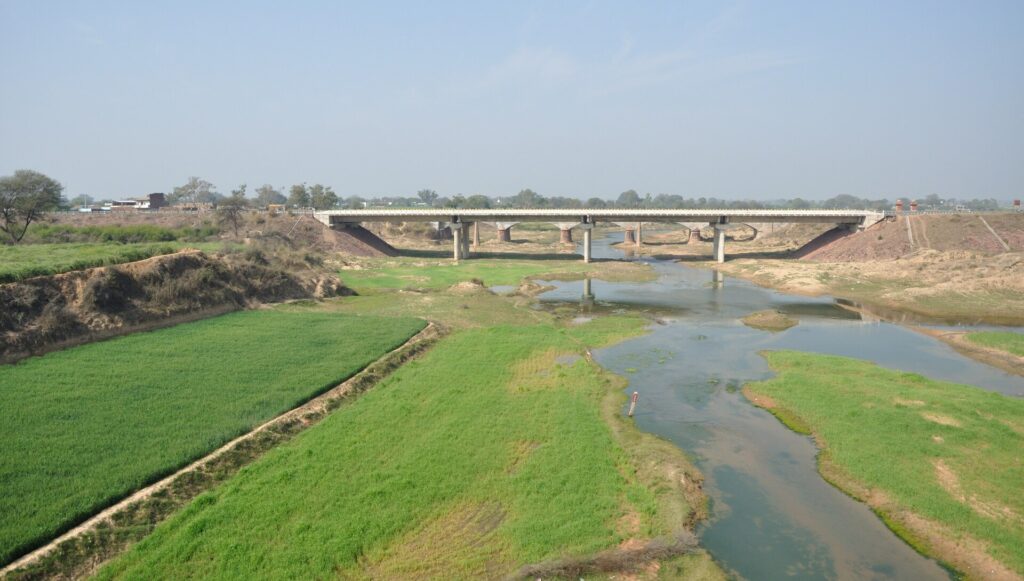
India’s green court has directed Uttar Pradesh to restore the Suav’s status from a “drain” to a “river” in revenue records. Photo: Wikimedia Commons
NGT orders Suav to be restored as a river in official records, warns of penalties for non-compliance
The National Green Tribunal (NGT) directed the Uttar Pradesh government to correct official records and restore the Suav’s status from a “drain” to a “river” in the revenue records and gazetteer, DTE reported.
The order follows a petition challenging the classification of the Suav — a major tributary of the Rapti river in Balrampur district — as a nullah (drain). Environmentalists argued that treating rivers as drains in official documents risks erasing their ecological and historical identity for future generations.
The NGT directed the Balrampur district magistrate to correct the classification of ‘Suav’ from ‘nullah’ to ‘river’ in district revenue records within three months of receiving the order and to notify the change in the Official Gazette and local newspapers in compliance with its order.
The district magistrates of Balrampur and Siddharthnagar were directed to ensure that no new construction or infrastructure is permitted in the demarcated Flood Plain Zone until the identification and demarcation of the Active Flood Zone is completed.
NGT issues notice on plea against pollution linked to railway coal transport
The National Green Tribunal (NGT) served notices to multiple authorities over environmental pollution linked to coal transportation in Odisha’s Talcher area, seeking their replies within six weeks, TOI reported. The newspaper said the NGT’s Kolkata bench passed the order while hearing a petition filed by Talcher resident Raj Kishore Sahoo alleging that the railway sidings connected to nine open-cast mines operated by the MCL are functioning without mandatory consent to establish and consent to operate from the Odisha State Pollution Control Board (OSPCB).
The court said “prima facie the averments made in the application raise substantial questions relating to environment arising out of the implementation of the enactments specified in Schedule-I to the National Green Tribunal Act, 2010.” The petitioner sought directions to stop coal loading and transportation without tarpaulin cover, assess environmental compensation and fix responsibility on officials for lapses in enforcing environmental norms, the outlet reported.
China tightens air quality standards
China tightened its national air quality standards announcing tighter thresholds for major air pollutants PM2.5 and PM10 particulate matter, sulfur dioxide and nitrogen dioxide, China Daily reported.
Under the new secondary standards, the annual average concentration of PM2.5 — the air pollutant that poses the greatest threat to human health — is lowered from 35 to 25 micrograms per cubic meter, and its daily average from 75 to 50. For PM10, the annual limit will be reduced from 70 to 50 mcg/cubic m, and the daily limit from 150 to 100.
The outlet said new standards will be implemented in two phases, with transitional limits applied from March 1, 2026, to 2030. During the period, the annual and daily limits under the secondary standard would be set at 30 and 60 mcg/cubic m for PM2.5, and 60 and 120 mcg/cubic m for PM10.
Environmental Groups Sue EPA Over Repeal of Climate Finding
Health and environmental groups in the US have taken to court the Environmental Protection Agency (EPA) in “an effort to combat its repeal of a landmark climate finding” ; the finding provides the legal foundation for federal greenhouse gas emissions regulation, on the basis that greenhouse gases are a danger to human health, WSJ reported.
The outlet noted that the legal challenge, filed in the US Court of Appeals for the District of Columbia circuit, asserts that rescinding the endangerment finding is “unlawful” and the EPA cannot credibly claim that the two decades of scientific evidence supporting it are now incorrect.
Meeting national and state EV targets could cut India’s transport emissions by 50%: ICCT Global Study
Meeting India’s national and state-level electric vehicle (EV) targets could reduce road transport CO2-equivalent emissions by 50% by mid-century (2050), according to a new global analysis by the International Council on Clean Transportation (ICCT), reported DTE.
The findings are part of the ICCT’s annual assessment of the global transition to zero-emission vehicles, which models the impact of current and proposed policies on vehicle sales, energy use, and emissions through 2050, the outlet noted.
While EV uptake remains at an early stage in India, domestic manufacturing already supplies close to 80% of the country’s EV sales, the research stated. It added that if national and state targets currently under development are fully implemented, the country could cut road transport CO2-equivalent emissions and liquid fuels demand in half by 2050.
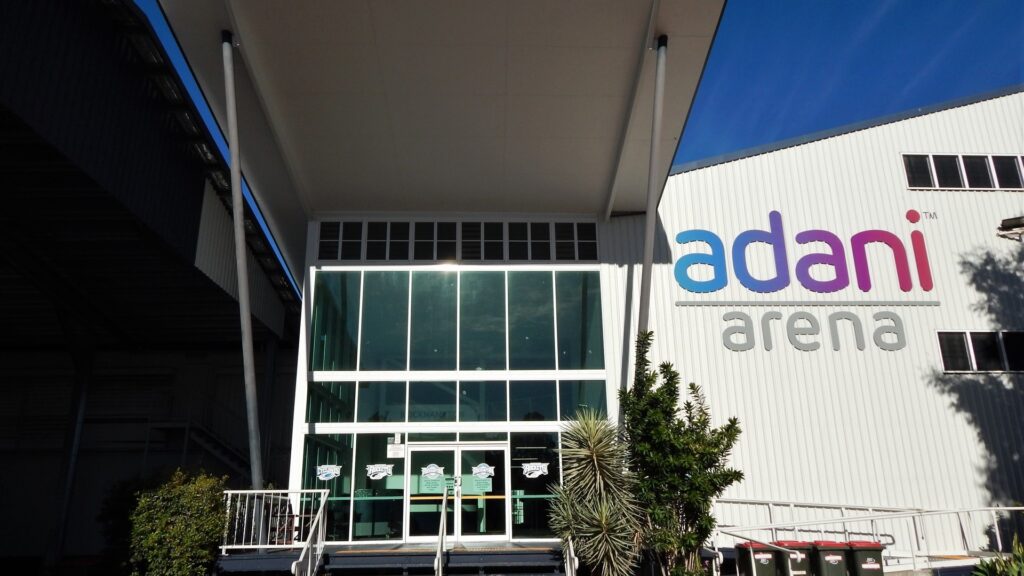
The US Department of Commerce slapped a 126% tariff on all Indian solar products after two Adani Group companies, Mundra Solar Energy withdrew from the investigation proceedings. Photo: Wikimedia Commons
US slaps 126% tariff on solar firms, cites Adani not joining subsidy prob
The US Department of Commerce slapped a 126% tariff on all Indian solar products after twoAdani Group companies, Mundra Solar Energy and Mundra Solar PV, withdrew from the investigation proceedings, a preliminary anti-subsidy investigation report reviewed by The Indian Express shows.
The Adani Group companies were ‘mandatory respondents’ in the proceedings, and their non-cooperation triggered ‘Adverse Facts Available’ penalty, the toughest methodology used by the US Department of Commerce. The order dated February 20 has resulted in steep tariffs being slapped on the sector.
India and UK launch offshore wind taskforce
India and the UK on February 18 launched the India-UK Offshore Wind Taskforce aimed at accelerating strategic clean energy cooperation through time-bound, execution-focused collaboration, DTE reported.
The Taskforce is designed to provide strategic leadership and coordination for India’s nascent offshore wind ecosystem. While the UK brings experience in scaling offshore wind and building mature supply chains, India offers scale, long-term demand and a rapidly expanding clean energy market, the report stated.
India govt holds stakeholder consultation on draft floating solar policy
The Centre discussed the draft floating solar PV (FSPV) potential assessment report and draft floating solar policy with stakeholders, HT reported. The floating solar potential report has been prepared by National Institute of Solar Energy (NISE) and the policy by IIT Roorkee, respectively, It says that considering the prevailing land constraints faced in Renewable Energy (RE) projects, floating solar has emerged as an alternate avenue. “However, only around 700 MW of FSPV projects have been commissioned in India, so far. This is majorly due to lack of data on the potential sites and clear framework for project execution,” MNRE said.
MNRE has requested all states/UTs to have internal consultations with all stakeholders at the state level like water resources/irrigation, revenue, fisheries, forest, agriculture, DISCOMs/Transcom, PWD, tourism, pollution control etc., and provide their comments and feedbacks on draft policy and potential. “
Renewables’ share to reach 26% of total power generation by FY2026-end: Infomerics Ratings
Renewable energy will account for 26% of India’s total power generation by the end of FY2026, despite softer demand conditions, PV Magazine reported citing study by Infomerics Ratings.
“RE capacity additions touched a record 49 GW in the 9MFY2026, keeping pace with the national target of 500 GW by FY2030. RE accounts for nearly 64% of incremental electricity generation growth during 9MFY26. Consequently, the RE share in overall electricity generation is projected to rise to 26% in FY2026, marking a 4-percentage point increase over FY2025,” said Rohit Inamdar, Chief Rating Officer at Infomerics Ratings
Battery storage costs dropped to record low in 2025
The cost of battery storage projects fell to all-time low in 2025, even as the cost of other renewables saw an increase, according to BloombergNEF’s (BNEF) Levelized Cost of Electricity (LCOE) 2026 report, cited by Mercom.
The global benchmark cost for a four-hour battery project fell 27% year-over-year to $78/MWh in 2025, a huge drop from battery storage prices in 2009, the report said.
BNEF said the LCOE for a four-hour energy storage system stood below $100/MWh in six markets, adding that lower battery pack prices, increased competition among manufacturers, and improved system designs contributed to the decline.
The report noted that falling battery storage costs accelerated the buildout of co-located renewable projects. This was underscored by developers adding 87 GW of combined solar and storage in 2025, delivering power at an average of $57/MWh.
By contrast, the benchmark cost of a typical fixed-axis solar farm increased by 6% from 2025 to $39/MWh, while onshore wind reached $40/MWh and offshore wind climbed to $100/MWh globally.
RE supply: France and Sweden push to kill mechanism to pay for massive EU grid upgrades
France and Sweden want to block the European Commission’s grids package – a proposal announced in December that would see countries share the cost of major upgrades to the EU’s electricity network, reported Politico.
The news portal said the package would “massively expand the EU’s electricity grid so it can more efficiently carry renewably generated power across the continent” and is “seen as an essential step on the EU’s path to net-zero greenhouse gas emissions by 2050”. It added that, under the plan, “wealthier countries with developed electricity systems would help bankroll countries with less-developed grids”. However, France and Sweden are arguing that the proposal “will hand them an unfair financial burden”, Politico report said.
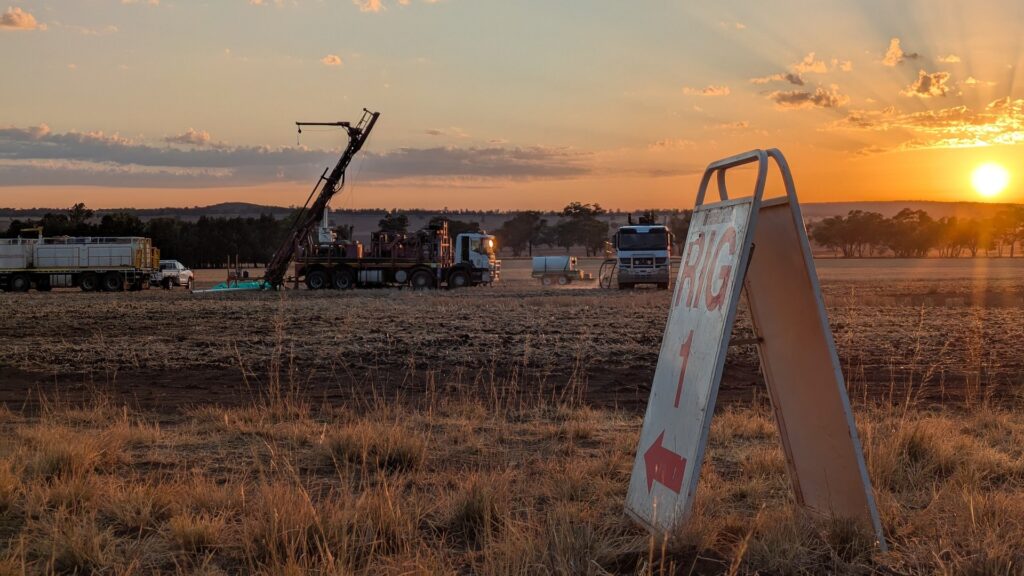
India is strengthening its critical mineral supply chain to reduce import dependency in strategic sectors like electronics and clean energy. Photo: Wikimedia Commons
India intensifies strategy to secure critical mineral supply chain, reduce import reliance
India is strengthening its critical mineral supply chain to reduce import dependency in strategic sectors like electronics and clean energy, according to a report by HT. The Ministry of Mines informed Parliament that the Geological Survey of India has intensified exploration, initiating 230 projects for 2025-26.
Key measures include amending the MMDR Act to support overseas mining, auctioning 46 mineral blocks, and approving a ₹1,500 crore recycling incentive. Internationally, India’s KABIL signed a major lithium mining agreement in Argentina. These efforts aim to secure long-term sustainable supplies while navigating global competition and environmental challenges.
UN Chief calls for safe, green AI at India summit
At the AI Impact Summit held in New Delhi, UN Secretary-General António Guterres emphasised that the future of artificial intelligence must not be controlled by a “handful of countries or a few billionaires”. Guterres advocated for AI governance that is inclusive, safe, and aligned with sustainable development, reported HT.
Guterres highlighted the dual nature of AI, noting its potential to accelerate medical breakthroughs and climate action, while warning against its ability to deepen inequality and fuel harm. He specifically called for data centers to transition to clean energy to offset soaring power and water demands. To bridge the digital divide, Guterres proposed a $3 billion global fund to build AI capacity in developing nations. He stressed on the need for guardrails that ensure human oversight, and protect children.
High costs, range anxiety drive Chinese consumers toward hybrids as EV growth slows
According to a report by the South China Morning Post, China’s rapid EV momentum is facing a slowdown as rising battery costs and persistent range anxiety push consumers toward plug-in hybrid electric vehicles (PHEVs). While China remains the world’s largest market for green cars, the breakneck growth of battery-only models has waned, with hybrids now gaining a larger share of new sales.
Pricier lithium-ion batteries have kept the retail costs of pure EVs high, making hybrids a more economical and practical alternative for many drivers. Automakers like BYD and Li Auto are capitalising on this trend, expanding their hybrid lineups to cater to buyers who fear being stranded without charging infrastructure on long trips. Analysts suggest that until battery technology becomes more affordable and charging networks more ubiquitous, the hybrid segment will remain a crucial bridge in China’s transition to a fully electric future.
Nobel laureate unveils off-grid device to harvest clean water from desert air
Nobel Prize-winning chemist Professor Omar Yaghi has developed a machine capable of extracting large quantities of clean drinking water from dry air, reported The Guardian. Using reticular chemistry to create molecularly engineered materials, the device can function even in arid desert conditions. The technology, spearheaded by Yaghi’s company Atoco, uses units the size of shipping containers. They are powered by ultra-low-grade thermal energy, making them entirely off-grid and sustainable.
Yaghi, who won the 2025 Nobel Prize in Chemistry, noted that the invention could provide up to 1,000 liters of water daily. This breakthrough offers a vital lifeline for regions facing global water bankruptcy, particularly island nations and disaster-struck communities where centralised infrastructure often fails. Unlike desalination, this method is environmentally friendly, avoiding the release of harmful brine while providing a resilient solution to the escalating global water crisis.
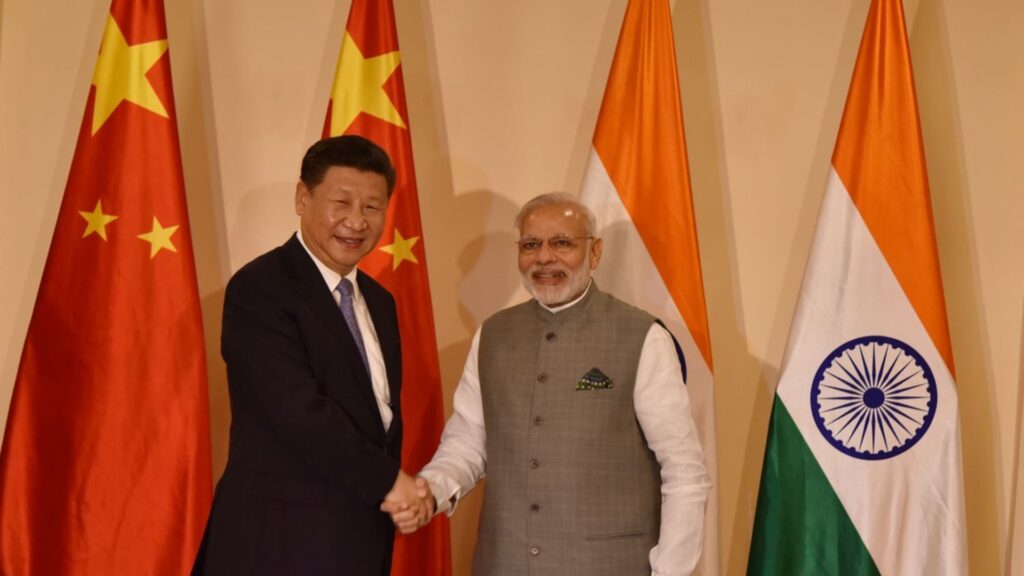
India Eases Restriction on Chinese Equipments Imports for Power, Coal. Photo: Wikimedia Commons
India Eases Restriction on Chinese Equipments Imports for Power, Coal on Project Delays
India has started easing its restriction on its state-run power and coal companies to resume imports of Chinese equipment as shortage and project delays mount, reported Reuters. This is the first significant easing of imports since the 2020 border clash that shut out Chinese firms out of a $700-$750 billion government contract.
The report said that the new projects given to Chinese bidders fell 27% to $1.67 billion in 2021 from a year earlier. Power transmission projects faced about a 40% shortfall in transformers and reactors over the next three years. Additionally, India is also facing execution delays and transmission issues to reach the ambitious target of adding 500GW of non-fossil fuel capacity by 2030.
French Court Holds Historic Climate Trial in a Case Against TotalEnergies
Major French oil company TotalEnergies is facing a historic civic climate case in a Paris court to compel the company to curb its oil and gas production and emissions in line with the global accord’s 1.5˚C long-term temperature limit, Inside Climate News reported.
The judges are currently hearing the merits of a trial in the case filed by a French non-profit organisation and for the first time in the country’s history, where it will be decided whether a multinational oil and gas company can be required to reduce its fossil fuel production.
Environmentalist and Indigenous Groups Sue Trump Administration on Drilling Expansion Plan in Alaska
The Trump administration’s plan to expand oil drilling in sensitive regions in Alaska has led to a lawsuit by the local indigenous group and the environmentalists, reported Inside Climate News.
The group has filed two lawsuits against the administration seeking to block a lease sale scheduled for March that would offer 5.5 million acres within the National Petroleum Reserve in Alaska. The sale would also include the calving grounds for the Teshekpuk Caribou Herd, a critical subsistence source for many Iñupiat living in the nearby village of Nuiqsut and other communities.
Ethanol Surplus in India Set to Threaten Investments and Farmers Income
India’s ethanol industry is facing a surplus challenge that threatens to impact farmers income and investments. Nearly 20 billion litres of installed capacity, with another 4 billion expected to come onstream soon has policymakers and ethanol producers at unease, ET EnergyWorld reported.
The strain of excess capacity is also visible across the value chain. Distilleries had set up about 20 billion litres capacity for supplying ethanol to oil marketing companies, but the lower than expected offtake has resulted in underutilised capacity and excess inventory.
Excise Waiver, Clear Policy for Biogas Blending Can Unlock ₹1 lakh crore investment
The proposed excise duty waiver on biogas blended in Compressed Natural Sugar (CNG) in the Union Budget 2026, can unlock the investment opportunity worth ₹1 lakh crore, reported ET EnergyWorld citing Indian Biogas Association (IBA).
The IBA called this initiative an important step towards India’s Energy Transition towards 2070 net zero target. It will not only lead to reduction in gas prices but also speeding up private investments in the sector.
Coal Demand Set to Increase on Rising Power Needs
The coal demand is set to uptick on rising power needs, this turnaround comes after months of weak demand, reported ET EnergyWorld. Industry leaders are anticipating a rise after power demand staged a recovery in the months of December and January.
The country’s coal sector is now rethinking its expansion plans amid rising uncertainties as it witnessed a surprising slowdown in this financial year.
Environmental Agency of US Plans to Loosen Restriction on Coal Power Plants
The US Environmental Protection Agency is planning to loosen the restriction on coal power plants, allowing them to emit more dangerous pollutants such as mercury, a neurotoxin that can impair babies’ brain development, reported The New York Times.
The move is one of the many efforts taken by the Trump Administration to make it easier and cheaper to produce and use fossil fuels despite the scientific evidence that pollution from burning oil, gas and coal is harming public health and warming the planet. The administration is also trying to make coal cheaper by rolling back several regulations.