



Amid rising West Asia tensions, India’s energy security will depend on how effectively it uses its growing clean power, say experts





As tensions rise in West Asia, India finds itself in a paradox — record renewable capacity on one hand, and wasted solar power on the other. Photo: Riddhi Tandon
Beyond Capacity: Unlocking the Full Potential of India’s Clean Energy
Amid rising West Asia tensions, India’s energy security will depend on how effectively it uses its growing clean power, say experts
As geopolitical tensions rise in West Asia, India finds itself in a paradox — record renewable capacity on one hand, and wasted solar power on the other. To get a clearer picture of India’s energy vulnerability, it is important to not just look at how much oil and gas it imports, but how efficiently it uses the clean power it already produces. Even as India raises its climate ambition under its newly released Nationally Determined Contribution (NDC) 3.0 — with higher clean energy and emissions reduction targets — the challenge is no longer just building capacity, but using it effectively.
The country has crossed a major milestone, with over half its installed power capacity coming from non-fossil sources. Yet its energy system remains deeply dependent on imports, exposing a structural weakness between what it can generate and what it actually uses.
At a moment when global fuel supplies are increasingly uncertain, this mismatch has real consequences. India’s renewable expansion has outpaced the systems needed to use that power. Bridging this gap could unlock new pathways—such as electric cooking—that turn surplus renewable energy into a direct substitute for imported fuels. Experts say this will require urgent improvements in grid flexibility and a rapid scale-up of energy storage.
India achieves renewable milestone, but utilisation challenges remain
India today has a total installed power capacity of 520 GW, with more than 265 GW coming from non-fossil fuel alone. It has an ambitious target of building 500 GW non fossil fuel energy capacity by 2030. According to the recent Energy Adequacy Plan of Central Electricity Authority (CEA), the non-fossil fuel sources are set to account for nearly 70% of India’s total installed power capacity by 2035-36.
With the addition of a record 44.5 renewable power capacity in 2025 — out of which 38 GW was solar power — today the total installed solar power of India is more than 140 GW. Still, curtailment of clean energy is emerging as a major issue. According to a recent report by energy research think tank Ember, India had to curtail 2.3 TWh of solar energy in just a few months (between May and November of 2025).
The report says this much energy was enough to meet the demand of as many as 400,000 households for one whole year. It also means that India missed 2.11 million tonnes of CO2 emissions due to this curtailment. Experts say amid growing geopolitical volatility, India cannot afford to leave renewable energy untapped—it must be leveraged decisively to secure the country’s energy future.
Reasons Behind the Renewable curtailment
There are 3 main reasons behind the renewable power curtailment.
- Weak daytime demand
- Operational constraints
- Limited flexibility of coal plants
To understand this one must look at the paradox between power demand and solar energy production in India. Although the sun shines brightest during the day from 10am to 4pm, peak power demand occurs at night when people turn on the electricity in their homes and use heavy appliances such as air conditioners. The demand from residential consumers is low during the daytime and industrial demand alone isn’t often enough to absorb the large volume of solar electricity supplied to the grid.
Grid operators, therefore, cut back solar generation to maintain stability, since coal plants must keep running at a minimum level to meet the evening demand surge when solar is unavailable.
“Coal power plants are inherently designed for steady baseload operation. When solar generation surges in the afternoon, many coal units cannot reduce their output below the technical minimum to still remain operational for evening demand. In such situations, grid operators are left with no option but to curtail renewable power,” said Ruchita Shah, an energy analyst at Ember.
The absence of adequate transmission infrastructure adds to the problem. India’s solar plants are situated in resource rich states like Gujarat, Rajasthan and Tamil Nadu, but often the demand lies in other states. As transmission lines are either insufficient or congested, renewable power cannot be transported to other regions that may need it. The grid also needs to be modernised to deal with the fluctuations that wind and solar energy can have.
Structural issues holding back renewable utilisation
a) Grid inflexibility and coal dependency
India’s electricity grid plays a central role in balancing supply and demand across the country. Grid India operates through a hierarchy of control centres: the National Load Dispatch Centre (NLDC) at the national level, five Regional Load Dispatch Centres (RLDCs) and several State Load Dispatch Centres (SLDCs).
These institutions monitor electricity flows in real time, schedule power generation and ensure grid stability across the national transmission network. Their operations are governed under the Indian Electricity Grid Code, which requires load dispatch centres to forecast demand and schedule generation accordingly.
To plan electricity supply, system operators rely on demand forecasting carried out by the Central Electricity Authority (CEA) and state utilities. Forecasts estimate hourly demand patterns so that sufficient generation capacity remains online. However, the rapid growth of solar power is altering these demand patterns, creating sharp differences between daytime and evening demand.
A key constraint is the inflexibility of India’s thermal fleet and ageing grid infrastructure. According to the Central Electricity Authority, most coal-fired plants must operate at a minimum technical load of about 55% of capacity to maintain operational stability.
“The challenge is not a lack of renewable energy but the limited flexibility of the power system. With high solar penetration, the net load now changes very rapidly during the day. Coal plants cannot ramp down fast enough during high solar hours, leaving grid operators with little choice but to curtail renewable power,” said a Grid India system operator on condition of anonymity.
This creates a structural challenge. While coal accounts for less than half of India’s installed capacity, it still generates about 70% of electricity, forcing plants to keep running even during high solar output. The Ember report notes that this technical limit was a key reason for solar curtailment in 2025, as coal plants operating near minimum load left little room for additional renewable generation.
b) Transmission bottlenecks
India has ramped up its renewable capacity at a remarkable pace — almost 50 times in the past 12 years — but the development of transmission infrastructure has not kept pace with it. Therefore some solar plants faced complete curtailment during peak hours due to network congestion.
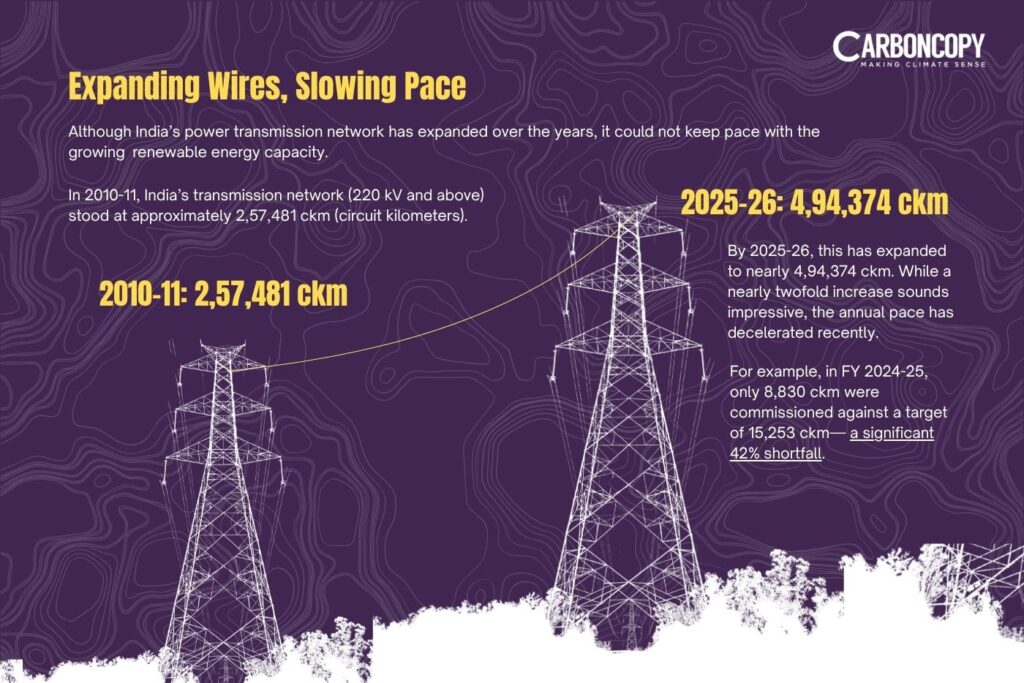
Meanwhile, renewable energy capacity has increased from around 18 GW in 2010 to over 250 GW by 2025. The mismatch is stark: solar capacity has grown at a compound annual growth rate (CAGR) of approximately 24% over the past five years, whereas transmission capacity trailed at just 6.5%.
The CEA has recently outlined a robust and forward-looking transmission expansion plan to support the integration of over 900 GW of non-fossil fuel capacity by 2035–36, with a built-in buffer to prevent renewable energy bottlenecks.
Some experts, however, remain sceptical about whether ambitious plans on paper will translate into real progress on the ground.
“There has been a persistent gap between announcements and execution. India launched the International Solar Alliance in 2015 and committed to net zero by 2070, but transmission planning and grid upgrades did not keep pace with renewable expansion. What are we achieving by creating solar parks and wind farms without the infrastructure to support them? Even now, with new plans from the CEA, the real question is how much will actually be implemented, given the track record,” said Sudiep Shrivastava, environmental activist and lawyer.
The fundamental reason for this slow growth in the transmission network is the gestation period. A solar project can be commissioned in 12–18 months, whereas a major transmission line requires 24–36 months. There are a few reasons behind this.
Right of Way (RoW) & Land Issues: Linear projects like transmission lines require continuous strips of land, often leading to prolonged legal battles and compensation disputes with landowners.
Environmental Sensitivity: High-profile cases, such as protecting the Great Indian Bustard in Rajasthan and Gujarat, have required rerouting or undergrounding lines, adding cost and time.
Regional Concentration: RE is concentrated in the West and South, but demand is nationwide. Building inter-state “highways” for power (ISTS) involves complex multi-state coordination.
Currently, nearly 50 GW of RE capacity remains “stranded” or curtailed because the grid cannot yet absorb the surge during peak solar hours.
c) Lack of energy storage
The shortage of storage capacity is significant and one of factors leading to curtailment of renewable energy. India currently has only a small amount of battery storage deployed compared with the scale required to integrate renewables. Government planning estimates the country will need over 400 GWh of energy storage capacity by 2031–32 to support renewable expansion.
Several factors explain the gap: high upfront costs, limited domestic battery manufacturing, uncertainty in market revenues for storage projects and slow development of supporting policies. These barriers have delayed large-scale deployment even as solar installations surge.
Clean cooking: Turning surplus renewable power into energy security
India remains significantly dependent on imported LPG and natural gas to meet its cooking and industrial energy needs. Currently, the country imports over 60% of its LPG consumption and nearly 50% of its natural gas requirements. The government’s ethanol blending programme has already reduced crude import dependence, with petrol now blended with around 20% ethanol in several regions. It is now emerging as a complementary pathway to strengthen India’s energy security in both cooking and transport.
Experts say if grid flexibility and transmission constraints are addressed, surplus renewable power can also be channelled into electric cooking (e-cooking) through induction stoves and other appliances. As the power mix becomes greener, cooking with electricity effectively replaces fossil fuels with domestic renewable energy — boosting India’s energy security.
Studies by organisations such as the Institute for Energy Economics and Financial Analysis (IEEFA) and the International Institute for Sustainable Development (IISD) suggest that scaling clean cooking solutions—including e-cooking and biogas—could substantially reduce India’s reliance on imported fuels and save up to ₹2.4 trillion in subsidy costs by 2050.
The potential is significant. Urban households can shift to electric cooking powered by rooftop solar or grid electricity, while rural areas can adopt biogas-based systems using agricultural and organic waste, reducing dependence on both LPG and firewood. Emerging options such as green hydrogen-based cooking, still at a nascent stage, could further expand India’s clean and domestically sourced energy basket in the long run. Energy experts argue that in the wake of recurring global energy disruptions, clean cooking is emerging as a critical pillar of energy security.
Purva Jain, Lead Energy Specialist at IEEFA, said e-cooking represents the future of clean cooking, describing it as safer, more affordable and energy efficient, while also strengthening long-term energy security. She noted that the current geopolitical crisis has once again exposed countries to price volatility and supply disruptions in fossil fuels such as oil, gas and LPG, and that transitioning to e-cooking could help shield India from these external shocks, while addressing the persistent connection–consumption gap in the sector.
“Despite over 115% coverage of LPG and PNG connections, nearly 38–40% of the population still relies on solid fuels,” she said, adding that scaling up e-cooking would not only improve energy access, but also align with India’s broader electrification pathway and long-term decarbonisation goals.
However, this transition depends on reliable electricity supply, affordable appliances and supportive policies. If India can fix its grid bottlenecks and better utilise daytime renewable power, clean cooking could become a powerful demand-side solution—simultaneously addressing renewable curtailment, import dependence and subsidy burden.
Solutions India Can Pursue
1. The land challenge: A silent bottleneck in India’s energy transition
Even as India accelerates renewable energy deployment, land acquisition is emerging as a critical and often under-discussed constraint. Large-scale solar projects require vast tracts of land, while transmission infrastructure depends on securing long, contiguous corridors to evacuate power. Delays in acquiring such land can stall both generation and grid expansion, directly contributing to renewable curtailment.
Legal and social complexities further complicate the process. Issues related to land ownership, compensation, community consent and regulatory clearances often lead to disputes and project delays. A recent analysis notes that land-related challenges—ranging from unclear titles to local opposition—continue to affect both renewable energy and transmission projects in India.
Energy expert Dr. Ajay Mathur — former Director General of the International Solar Alliance — points out that land has always been a difficult issue in India’s power sector, but the scale required for renewables makes it even more pressing. He emphasises that states must play a more proactive role by identifying suitable land pockets closer to demand centres, rather than leaving developers to negotiate fragmented land deals.
Typically, land for renewable projects is leased for long durations — often close to 30 years — but compensation and terms can vary widely depending on local dynamics and bargaining power. Dr. Mathur notes that, barring states like Gujarat, institutional support for land aggregation remains limited. He argues that clearer frameworks are needed, particularly on what happens after lease expiry, to reduce uncertainty and improve investor confidence.
Without addressing land constraints, India risks slowing down both renewable expansion and the infrastructure needed to support it. Shrivastava, however, says acquisition is doable with adequate planning.
“Land acquisition for grid and transmission infrastructure should not be treated as an insurmountable challenge. The government routinely acquires land for projects of national importance like highways, railways and industrial projects—so why should grid expansion be any different? Even forest clearances for transmission lines are relatively less disruptive, as they do not require large-scale diversion of land. The real issue is not feasibility, but intent. With proactive planning and policy support, transmission development can be accelerated without the kind of delays we are seeing today,” Shrivastava told Carboncopy.
2. Making coal plants more flexible
As India plans to add 80 GW of new coal plants by 2031-32 to ensure reliability it is important that coal plants must operate at lower minimum loads and ramp faster so that more RE can be accommodated. A key technical intervention is retrofitting existing coal plants with equipment and control systems that allow them to operate at lower minimum loads and ramp faster. Upgrades may include improvements in boiler control systems, turbine operation and automation. According to studies conducted by the Central Electricity Authority (CEA) and international agencies, many Indian coal units can potentially reduce their minimum operating level from around 55% of capacity to 40% or lower with appropriate technical modifications.
“As renewable energy, especially solar, continues to scale up, coal will need to shift toward a more flexible, supporting role, balancing variability rather than dominating supply. This transition is significant, but with the right retrofitting approaches, it is achievable. Energy storage and demand response will also play a crucial role in absorbing daytime renewable energy,” said Ruchita Shah.
However, retrofitting older plants can be costly. It is estimated that flexibility upgrades for coal plants can require significant investments, depending on plant age and technology. Therefore experts suggest that alongside technical upgrades, the government should also introduce flexibility incentives. These include compensation mechanisms for plants that provide ramping services or operate at lower loads to integrate renewable energy. Analysts argue that such market incentives are essential to encourage coal generators to support grid balancing as India’s renewable capacity continues to expand.
3. Pushing for Firm and Dispatchable Renewable Energy
India is also experimenting with Firm and Dispatchable Renewable Energy (FDRE) projects that combine solar, wind and battery storage to deliver electricity in a predictable manner, helping renewables compete with coal in providing round-the-clock power.
The study, Budgeting for Net Zero: Powering India’s Reliable Clean Energy Future by the International Institute for Sustainable Development (IISD) and the Center for Study of Science, Technology and Policy (CSTEP), says FDRE projects can supply electricity according to demand profiles specified by discoms by combining solar, wind and energy storage.
Sunil Mani, policy advisor at IISD says FDRE projects are not just a clean alternative—they are an increasingly competitive source of reliable power.
“With thoughtful tender design and market reforms, India can tap into FDRE to meet rising electricity demand, cut long-term costs, and build a power system that is both resilient and future-ready,” Mani Said.
But there are questions here as well. While FDRE projects aim to provide reliable renewable power, analysts warn that the oversizing of solar and wind capacity required to guarantee supply could generate large volumes of surplus electricity during daytime hours, potentially increasing renewable curtailment if the grid cannot absorb it.
Mani says some level of surplus generation is unavoidable in FDRE projects because additional renewable capacity is needed to ensure reliable supply despite the variability of solar and wind.
“The policy priority, therefore, should be to use this surplus effectively—by strengthening electricity markets, expanding transmission, scaling up storage and introducing clearer demand signals such as time-of-day tariffs. With these reforms, surplus power can be absorbed productively instead of being curtailed, improving both system efficiency and project viability,” he said.
4. Improving Battery Storage Deployment as Prices Fall
Battery storage is increasingly seen as a key solution for integrating large amounts of renewable energy into India’s grid. Batteries can store excess solar power generated during the day and release it during evening peak demand, reducing curtailment and improving grid reliability. Energy analysts estimate India will need around 60–97 GW of energy storage capacity by 2030–2032 to support its clean power targets.
Encouragingly, the economics of storage are improving. Falling battery prices, combined with government incentives, are making large-scale storage projects more viable. India has introduced policies such as viability gap funding for battery energy storage systems and transmission charge waivers to accelerate deployment.
Expanding storage can be achieved through several approaches: integrating batteries with solar and wind projects, developing stand-alone grid-scale storage systems and scaling pumped-hydro storage. Together, these measures can help shift renewable power to peak demand hours and allow the grid to utilise clean electricity more efficiently.
“The economics of storage have changed dramatically in recent years. Earlier, battery costs were a major constraint, but that is no longer the case. Today, when we design integrated renewable projects—combining solar, wind and battery storage—they are increasingly able to deliver reliable power at costs comparable to, and in many cases lower than, new coal-based generation. This is particularly evident in FDRE-type projects, where storage enables renewables to supply power during peak demand hours. As costs continue to fall, storage will play a central role in making clean energy not just sustainable, but also economically competitive,” said Dr Mathur.
5. Expanding transmission: The role of Green Energy Corridors
Another critical priority is strengthening transmission infrastructure through initiatives such as the Green Energy Corridor (GEC) programme. Without adequate transmission capacity, clean electricity cannot be transported efficiently — from resource-rich states to major demand centres elsewhere — leading to curtailment.
The Government of India has already launched GEC projects to evacuate renewable power and integrate it into the national grid. According to the Ministry of New and Renewable Energy (MNRE), these corridors are designed to facilitate large-scale renewable integration and reduce congestion. Further expansion of interstate transmission systems will be essential to move surplus solar power from western and southern regions to northern and eastern demand centres, especially as renewable capacity continues to grow rapidly.
6. Demand-side flexibility: Shifting consumption to solar hours
Another key solution lies in aligning electricity demand with renewable generation. Currently, solar power peaks during the day while demand peaks in the evening. This mismatch contributes significantly to curtailment.
Demand-side flexibility can help bridge this gap by encouraging consumers to shift electricity usage to daytime hours. One way to achieve this is “Time-of-day (ToD) tariffs”, where electricity is cheaper during solar-rich hours and more expensive during peak demand periods. Incentives for industrial load shifting, encouraging factories to operate energy-intensive processes during the day. Smart metering and demand response programmes, allowing utilities to dynamically manage consumption
India has already begun implementing ToD tariffs under regulatory frameworks promoted by the Central Electricity Regulatory Commission (CERC) and supported by smart meter deployment programmes. Such measures can increase daytime demand, allowing more solar power to be absorbed without stressing the grid.
7. Strengthening power markets: Unlocking flexibility and value
A deeper and more efficient electricity market is essential for integrating high levels of renewable energy. Strengthening power markets means enabling electricity to be traded more freely across regions, allowing surplus renewable energy to find buyers in real time.
In India, this involves expanding short-term power markets, improving day-ahead and real-time market mechanisms, and allowing greater participation by renewable generators and storage providers. Platforms such as the Indian Energy Exchange (IEX) and regulatory reforms by the Central Electricity Regulatory Commission (CERC) are already moving in this direction.According to expert analyses, stronger markets provide price signals that encourage flexible generation, storage deployment and demand response, making the system more adaptable to renewable variability.
“Ultimately, investment will flow only if there is a clear path to returns. Storage and flexible resources depend on meaningful price signals—electricity needs to be cheaper when supply is abundant and priced higher during peak demand. That kind of market design is essential to unlock both demand-side response and private investment,” said Dr Mathur.

In Central India, Ahmedabad, Saurashtra, and Kutch experienced off-the-charts heatwaves in mid-March. Photo: Canva
Heatwaves Grip Central and Peninsular India, Temperature Exceeds 40°C in Chhattisgarh
Heatwaves have gripped Central and peninsular India. In central India’s Chhattisgarh, temperatures touched 40°C, Dainik Jagran reported, adding that Rajnandgaon district recorded 40.5°C — one of the highest temperatures recorded anywhere in India’s plains at the time, on par with Washim in Maharashtra.
In the states of AP and Telangana, temperatures neared 40°C. In Hyderabad, the temperature touched 38°C, reported Hans. The UV index has reached 10, categorised as “extremely dangerous”, raising concerns over skin-related health risks. Northern districts of Telangana, including Adilabad, Nizamabad and Karimnagar expected to witness even harsher conditions, with temperatures expected to exceed 40°C. Heat conditions have intensified across Andhra Pradesh in Vijayawada, the maximum temperature is expected to touch 38°C. Temperatures are likely to be particularly severe in the Rayalaseema.
The IMD predicted heatwave conditions in Tamil Nadu, DD News reported.In Kerala, Punalur reported a maximum of 38.4°C, while Kottayam reached 37.8°C — a staggering 3°C above the usual value for this time of year, she said, reported the Hindu.
‘Extremely rare’ heatwave across south-west US ‘virtually impossible’ without climate crisis
The south-west US was hit by record-breaking heat “in what should be winter”, reported Scripps News. The broadcaster reported that nearly 20 million people in the region are under “excessive heat warnings”, with another 20 million facing heat advisories. Temperatures in Phoenix, Arizona hit 40.5°C, breaking the city’s March heat record by around 5°C. Las Vegas and parts of inland Los Angeles also experienced record-setting heat, reported the outlet.
The Guardian reported that the climate crisis, caused primarily by the burning of fossil fuels, has made extreme heatwave four times more likely to occur over the last decade, according to a new rapid analysis released Friday.
“These temperatures are completely off the scale for March,” said analysis co-author Ben Clarke. Even as recently as 2016, the current heatwave would have also been milder, with temperatures about 1.4°F (0.8°C) cooler, says the analysis by World Weather Attribution, an international consortium of climate researchers.
“These findings leave no room for doubt. Climate change is pushing weather into extremes that would have been unthinkable in a preindustrial world,” said the co-author Friederike Otto.
Glaciers melting rate across Hindu Kush Himalayas doubled since 2000: ICIMOD report
The rate of melting of glaciers across the Hindu Kush Himalayas has doubled since 2000, a new report by the International Centre for Integrated Mountain Development (ICIMOD) found, HT reported.
The report mapped 63,761 glaciers in the region. The newspaper said these glaciers are the source of at least ten major Asian river systems, supporting the food, water, energy, and livelihood security of billions. Around 78% of this glacier area, situated between 4,500 and 6,000 metres above sea level, is highly exposed to elevation-dependent warming — a phenomenon where temperature rises faster at higher altitudes than at lower ones.
The findings come on the back of visible consequences. The 2021 Chamoli disaster in the higher reaches of the Garhwal Himalayas involved the dislodgement of a glacieret and likely killed over 200 people. In October 2023, a devastating glacial lake outburst flood impacted South Lhonak lake in Sikkim, leading to deadly floods that killed over 50 people, and last year’s Dharali disaster on August 5 in Uttarakhand — where the Kheer Ganga, fed by a glaciated zone, swept away an entire market.
Warming oceans linked to rise in land heatwaves: Study
Rising temperatures of oceans is driving 50-64% of the increase in land heatwaves globally, according to a joint study by multiple agencies, DTE reported. Researchers used a complex network approach applied to climate reanalysis data to show that the observed intensification of humid heatwaves is closely associated with coastal oceanic warming over the period 1982-2023. the researchers wrote in the report Large-scale aggregation of humid heatwaves exacerbated by coastal oceanic warming. The outlet explained that in a warming world, heatwaves have become a permanent phenomenon, raising the risk of heat-related mortality. The risk is measured using the heat-humidity ‘wet bulb temperature’ threshold of about 31.5 degrees Celsius that is considered close to the physiological limit beyond which sweating becomes ineffective, increasing the risk of heatstroke.
Coastal oceanic warming and intensified humid heatwaves are linked, particularly in tropical regions, the analysis said.
According to the study, rising temperatures in the Indian Ocean trigger widespread heatwaves across South Asia and West Asia. Another case in point was the record-breaking sea surface temperature in 2023 that the North Atlantic region experienced and which led to widespread heatwaves in the southern region of South America. The study concluded that rising sea surface temperatures could serve as early warning indicators for extreme heat events.
Far more countries face critical food insecurity if world heats up by 2°C, analysis shows
According to a new study the number of countries falling into critical food insecurity could almost triple to 24 if global temperatures increase by 2°C, the Guardian reported.
Analysis by the International Institute for Environment and Development (IIED) showed that global heating will increase the risk of food insecurity worldwide, but food systems in low-income countries are projected to deteriorate seven times as fast as those in wealthy nations.
This can be prevented by “strengthening social protection systems that can respond quickly to climate shocks, investing in climate resilient agriculture and improving water and soil management”. The worst-affected countries include Somalia, the Democratic Republic of the Congo, Afghanistan, Haiti and Mozambique. Under a 2°C heating scenario, the analysis projected that food insecurity will increase by more than 30% in these countries, while in high-income countries it would increase by 3% on average, Ritu Bharadwaj, a researcher for the IIED and author of the study told the Guardian.
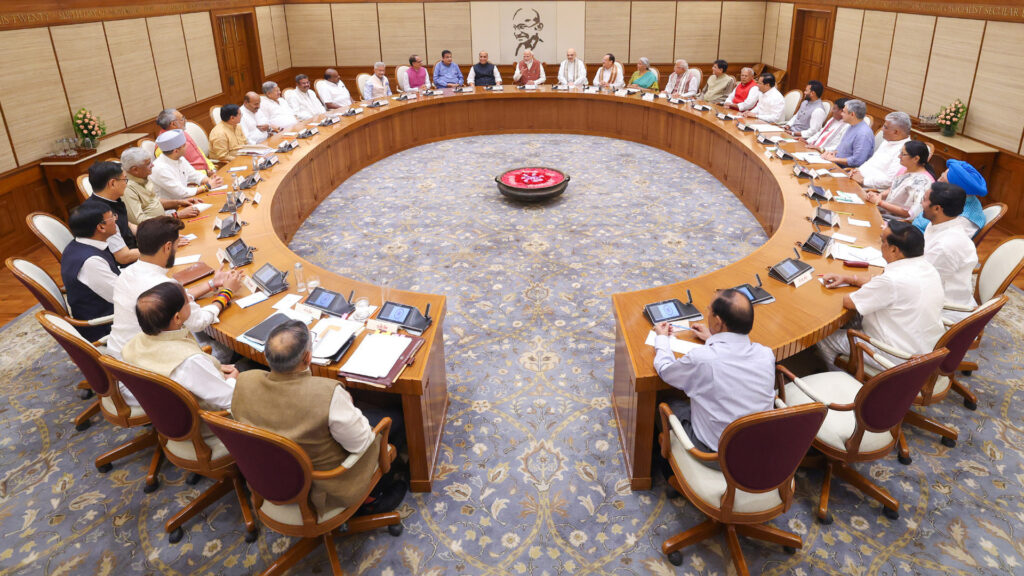
India on Wednesday approved enhanced climate targets for the 2031-2035 period under the Paris Agreement. Photo: Wikimedia Commons
India Updates NDC With Tougher 2035 Climate Targets on Emissions, Clean Energy
India approved enhanced climate targets for the 2031-2035 period under the Paris Agreement, raising its commitments on emissions, clean energy, and forests, CarbonCopy reported.
India’s updated Nationally Determined Contribution (NDC) includes cutting the emissions intensity of its GDP — the amount of greenhouse gases produced per unit of economic output — by 47% by 2035 from 2005 levels, up from the earlier target of 45% by 2030. It has committed to drawing 60% of its cumulative installed electricity capacity from non-fossil sources by 2035, against the previous goal of 50% by 2030. And it has raised its target for carbon sinks — CO2 absorbed through forest and tree cover — to 3.5-4 billion tonnes of CO2 equivalent by 2035, from 2.5-3 billion tonnes by 2030.
India’s decision signals that clean energy and economic growth can go hand in hand, UN climate chief Simon Stiell said. NDC is the pledge each country makes under the agreement to limit greenhouse gas emissions.
FAC Backs Forest Land Diversion for Mining Projects
The Centre’s forest advisory committee (FAC) deferred its decision on forest diversion for a 680 MW hydroelectric project in Arunachal Pradesh
The FAC recommended in-principle approval for the diversion of forest land for several major mining and infrastructure projects, including over 1,000 hectares for a coal block and around 470 hectares for a coal mine, both in Madhya Pradesh, and has allowed round-the-clock exploratory drilling in Assam, HT reported.
The panel recommended in-principle approval for the diversion of 469.612 hectares of reserve forest for the proposed underground Gondbahera Ujheni East coal mine in favour of M/s Mahan Energen Limited in Singrauli district, Madhya Pradesh, the newspaper said. The FAC also granted in-principle approval for the diversion of 1,063.1142 hectares of forest land out of a total 1,200-hectare lease area for the proposed Marwatola-VII coal block — to be operated partly as an open-cast and partly as an underground mine by M/s Rama Cement Industries Private Limited in the Ghanghuti forest range, Madhya Pradesh, the outlet added.
DJB Seeks NGT Permission to Use Borewells on Yamuna Floodplains
The Delhi Jal Board (DJB) sought permission from National Green Tribunal (NGT) to operationalise over 100 borewells installed along the Yamuna floodplains, in the Capital’s O-zone, an eco-sensitive area where construction is largely prohibited, reported HT, aiming to augment water supply ahead of the peak summer months. However, with over 40% of Delhi’s groundwater already “overexploited”, experts warned against excessive reliance upon the process.
The borewells, once approved and made functional, are expected to add an estimated 30-40 million gallons per day (MGD) to Delhi’s daily water supply, the newspaper said. The move comes as the city prepares for a seasonal surge in demand, which significantly outstrips its current supply capacity.
Heat Action Plan: 70 traffic signals in Ahmedabad to remain close from 12 to 4 pm
As temperatures in Ahmedabad crossed 41°C since the beginning of March, authorities have implemented the city’s Heat Action Plan to provide relief to citizens, reported Gujarat Samachar.
Seventy major traffic signals across the city will remain off between 12 noon and 4 pm. However, at busy intersections where traffic signals must remain operational due to heavy traffic, green shade nets will be installed at around 24 locations with the support of Confederation of Real Estate Developers’ Associations of India (CREDAI) and other organisations, protecting commuters from direct sunlight, the newspaper said.
The state has set up around 350 water stations across the city, and the number is expected to increase to more than 1,000 in the coming days. Drinking water facilities have also been arranged at AMTS and BRTS bus stands.
Iran crisis lifts India bottled water prices, erasing Modi govt’s tax cut gains
The Iran war has made bottled water in India 11% more expensive after prices of plastic bottles and caps surged, a change that has also erased the benefit of a lower water tax rate Prime Minister Narendra Modi announced a few months ago, BS reported. Researchers said 70% of the groundwater is contaminated. Bisleri, Coca-Cola, Pepsi, billionaire Mukesh Ambani’s Reliance and Tata all compete for a share of the $5 billion market.
The market is being squeezed as rising oil prices increase the cost of polymer, a key material for the industry’s plastic bottles, the newspaper said.
UK to cut climate aid to developing countries by 14% to £2bn a year in ‘refocus’
The UK will cut its climate aid to developing countries by about 14%, to roughly £2 billion per year, the Guardian reported. The newspaper said that, overall, the UK’s aid budget was cut to 0.35 of gross national income, following “bitter rows with the Treasury, which wanted deeper cuts owing to pressure on spending resulting from the war in Iran”. But experts told the Guardian this was likely to mean less than £6 billion, rather than more. Under the previous five-year arrangement, the UK provided £11.6 billion over five years, or about £2.3 billion a year. The previous earmark of £3 billion in funding for nature and forest projects has also been scrapped. The climate funding pledge abandons the previous practice of setting five-year budgets, to allow for longer-term projects of the kind that experts said were more efficient.”
Trump chokes Cuba’s oil supply China steps in with solar
China is offering solar energy to its “old ally” Cuba, left without power amid the US oil embargo, in a show of strength for Chinese renewable-energy credentials and a sign of Beijing’s economic footprint in Latin America, reported South China Morning Post. Beijing’s ambassador to Cuba, Hua Xin, said: “China has always maintained that Latin America and the Caribbean are one big family of sovereign, independent countries and in no way can be the backyard of any country”. US President Donald Trump threatened to “take” Cuba, an island nation of around 10.9 million people, amid a total power blackout triggered by a shutdown of the national grid and linked to an oil embargo imposed by Washington, the newspaper reported. Donors from China have already given 5,000 “household” solar energy equipment sets for installation at three Cuban clinics and a home for the elderly, the outlet said.
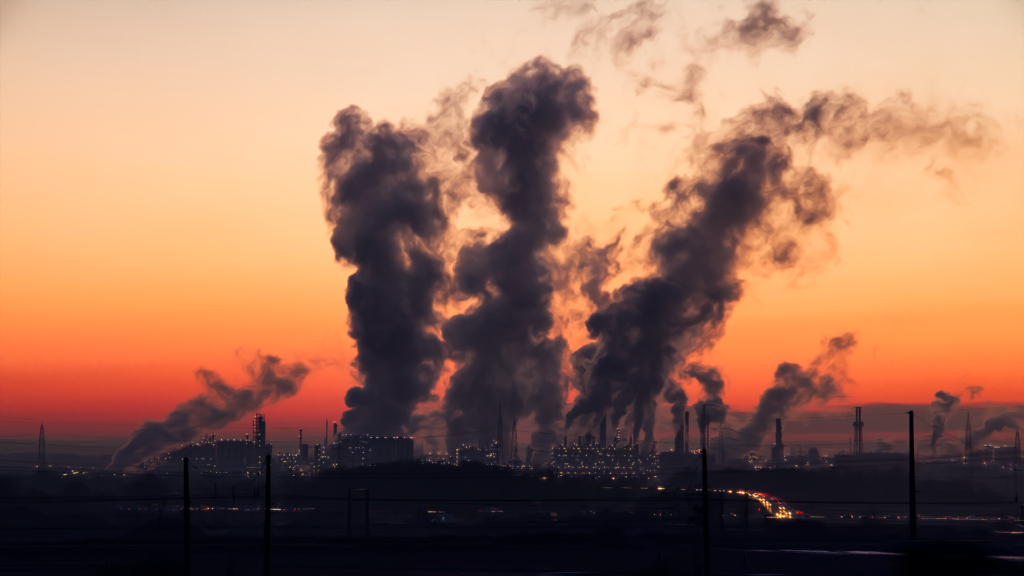
Penalties from environmental violations will now go to the Environment Protection Fund to finance remediation and regulatory functions, as per new rules. Photo: Pixabay
Pollution Penalties to Fund New Environment Protection Fund: MoS
The fines imposed under the Air (Prevention and Control of Pollution) Act, 1981; the Water (Prevention and Control of Pollution) Act, 1974 and the Environment (Protection) Act, 1986, on any person for contravening the provisions of the respective Acts, shall be credited into the Environment Protection Fund, the Union environment ministry informed the Lok Sabha, reported HT.
“The Environment Protection Fund, 2026 provides the purposes for which it may be utilized includes the assessment and remediation of environmental damages and remediation of contaminated sites. Administrative expenses, not exceeding 5% of the amount available in the fund in a financial year may be used for payment of salaries and other emoluments of staff deployed in the project management unit ; necessary office equipment and furniture for the project management unit; and payment of auditors and legal or other professional services,” said Kirti Vardhan Singh, minister of state for environment in response to questions by Opposition.
The government was asked if it had assessed the potential conflict of interest arising from the Environmental (Protection) Fund Rules, 2026, under which penalties collected under the Air Act, Water Act and Environment (Protection) Act now finance regulatory and administrative functions. Also, whether the government has prescribed any mandatory mechanism under the Environmental (Protection) Fund Rules, 2026 to ensure that penalties collected from environmental violations are utilised for site-specific remediation and measurable ecological restoration, the newspaper continued.
NGT probes Fairmine over Sadabah river pollution in Jharkhand
The National Green Tribunal (NGT) is investigating Fairmine Carbon for polluting the Sadabah River in Palamu, Jharkhand, by discharging untreated wastewater from a coal mine. The probe focuses on violations of environmental norms, specifically allegations that the firm encroached on a required 15-metre safety barrier along the riverbank for mining activities, Frontline Magazine reported, adding that the case highlights the conflict between industrial development and environmental protection.
The firm is accused of releasing industrial effluents into the Sadabah River, causing significant environmental damage. Concerns were raised regarding illegal mining practices and failure to maintain the mandated safety barriers near the water body.
‘Difficult to believe’: NGT questions HP govt’s claim of 100% treatment of municipal waste
The National Green Tribunal raised doubts over Himachal Pradesh’s claim of achieving 100% municipal waste treatment across 16 urban local bodies, calling such uniform efficiency “difficult to believe.” During a recent hearing on compliance with the Municipal Solid Waste Management Rules, 2016, the tribunal flagged discrepancies in the state’s six-monthly report, including unclear annexures and the absence of filing under the Chief Secretary’s affidavit as previously directed. It also questioned the assertion of a “zero gap” between waste generation and processing.
The tribunal has now asked for a revised, verifiable report. While the state maintains that 375 of 381 tonnes per day of waste is processed, with only a minor gap in three towns, concerns remain over data reliability. The matter also ties into broader issues of sewage treatment gaps, infrastructure utilisation, and environmental monitoring, and will be heard again on May 20.
5m tonnes of CO2 emitted in just 14 days of US war on Iran, analysis finds
The war in west Asia is draining the global carbon budget faster than 84 countries combined. The first 15 days of the US-Israel attack on Iran in March 2026 generated over 5 million tonnes of CO2 equivalent, according to analysis by the Climate and Community Institute (CCI). This surge in emissions resulted primarily from destroyed infrastructure and fuel combustion, the Guardian reported citing the analysis.
The study estimated that the initial 14 days of bombardment produced over 5 million tonnes of carbon dioxide equivalent (CO2e), exceeding Iceland’s annual emissions of around 4.28 million tonnes. The figures are also comparable to putting 1.1 million petrol cars on the road for a year and amount to more than $1.3 billion in climate damage, the report said.
The outlet added that the study attributed the bulk of emissions to the destruction of civilian infrastructure and fuel. Destroyed homes and buildings accounted for roughly 2.4 million tonnes of CO2e, followed by burning or destroyed fuel at about 1.88 million tonnes. Fuel consumed in combat operations contributed around 529,000 tonnes, while emissions embedded in military equipment, missiles and drones made up the remainder
Himachal residents protest against pharma factory over pollution claims
Around 1,000 people protest in Nalagarh, Himachal Pradesh, over alleged pollution by pharmaceutical firm Kinvan Pvt Ltd. Villagers said the factory was depleting groundwater and polluted air and noise from the plant was affecting daily life, DTE reported.
The villagers said the facility had been permitted to use around 6.71 kilolitres of water per day, but questioned whether this limit was being exceeded given the scale of operations.
The report pointed out that the factory is located close to a local river system, which supports at least 16 government drinking water and irrigation schemes serving Nalagarh town and surrounding villages, including Radiali, Rakh Ram Singh, New Nalagarh, Kirpalpur, Nikkuwal and Rajpura.
Residents warned that excessive water extraction could lead to shortages in the near future. They also alleged that groundwater levels had fallen since the plant began operating, with handpumps and wells in some areas nearing depletion.
SC declines to intervene in plea over mercury leakage risks from Bhopal tragedy waste, directs petitioner to high court
The Supreme Court declined to intervene in a plea about land and groundwater contamination due to mercury leakage from incinerated waste linked to the Bhopal gas tragedy. The case relates to the disposal of hazardous waste and residual ash generated after incinerating toxic material from the Union Carbide India Ltd (UCIL) site in Bhopal, DTE reported.
The Madhya Pradesh High Court has been monitoring the matter through a public interest litigation for over two decades, issuing directions to prevent soil and groundwater contamination in and around the site. The residual ash has been disposed of at a treatment, storage and disposal facility in Pithampur, in Dhar district.
The petitioner, citing a report by Asif Qureshi of IIT Hyderabad, raised concerns that the ash from Bhopal gas tragedy site contains significant quantities of mercury, which could potentially leak and contaminate groundwater and the surrounding environment. The court advised the petitioner to approach the high court with supporting material if concerns about future leakage persist. It also directed the high court to consider such applications on their merits in the larger public interest.
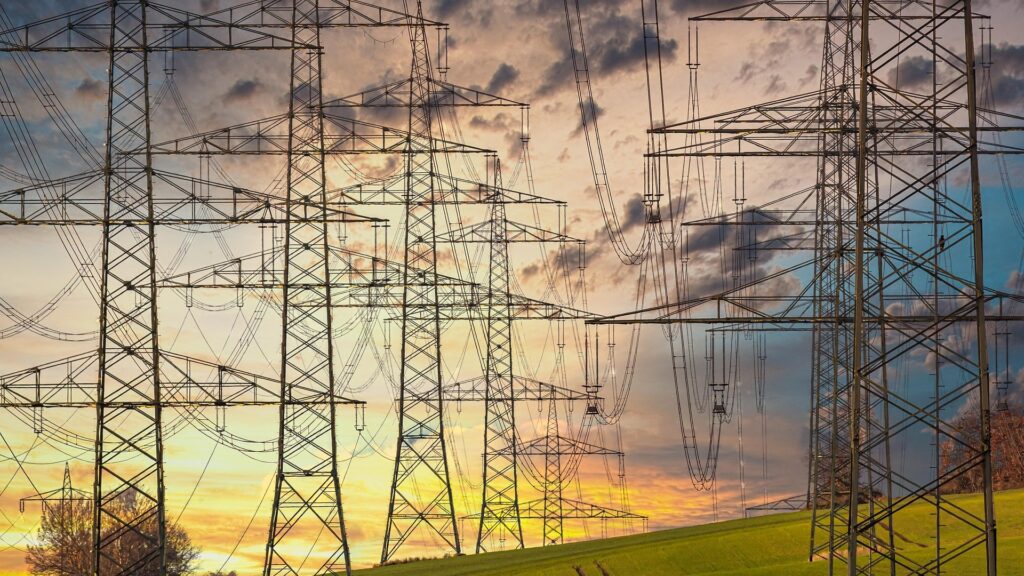
India plans to integrate over 900 GW of renewable energy (RE) capacity by 2035–36. Photo: Pixabay
India Plans Massive Grid Expansion to Meet 900GW RE by 2036
India plans to integrate over 900 GW of renewable energy (RE) capacity by 2035–36, requiring the addition of 137,500 circuit kilometres (ckm) of transmission lines, Mercom reported. The Central Electricity Authority (CEA) plan also includes 827,600 MVA of substation capacity, with an estimated investment of ₹7.93 lakh crore (approx. $84–85 billion) to prevent bottlenecks.
The goal is to support 900 GW of non-fossil fuel capacity, which includes massive solar and wind growth. The estimated cost for this infrastructure development between 2026–27 and 2035–36 is ₹7.93 lakh crore.
The report said the aim is to alleviate bottlenecks in renewable energy evacuation and ensure grid stability for the growing green energy sector.
Solar equipment makers get no funds under ₹24,000 crore PLI scheme till February
Solar equipment manufacturers have not received funds under the ₹24,000-crore production linked incentive (PLI) scheme for them till February-end, the government told Parliament, ET reported.
The PLI Scheme for High Efficiency solar PV modules has an outlay of ₹24,000 crore for which letters of award have been issued for setting up 48,337 MW of fully/partially integrated solar PV module manufacturing capacity, the House was informed.
The government said till February no funds have been released as it provides for the release of PLI to successful bidders a year after commissioning of the manufacturing projects awarded under the scheme. Until now, this one-year post-commissioning period has not been completed in respect of the projects awarded under the scheme.
Under the scheme, around 30 GW of solar PV module manufacturing capacity, around 10.5 GW of solar PV cell manufacturing capacity, and around 2 GW of ingot-wafer manufacturing capacity have been set up.
These capacities include around 3.4 GW of fully integrated thin-film solar PV module manufacturing capacity. Of the awarded capacity, 4 GW of integrated capacity for solar cells and modules have been declared commissioned in October 2025.
Over 37 GW solar capacity at risk of grid curtailments in FY27 : Crisil
Rising renewable energy capacity has increased the risk of evacuating surplus power, especially during the daytime, with 35 GW capacity facing the risk of grid curtailment in FY27 amid slow deployment of transmission infrastructure, reported BS citing a new report by Crisil. The ratings agency said projects without dedicated transmission infrastructure, called temporary general network access (TGNA), faced 80% of the total curtailment in India between April and December 2025, the outlet said.
The report showed that between November 2025 and February 2026, these projects had nearly 39% of their capacities curtailed. Rajasthan and Gujarat, which account for 45% of the country’s total renewable energy generation capacity, face the most curtailment. Capacity of 13–14 GW suffered higher curtailment of up to 50 per cent, report said.
“We project about 20 GW of fresh ISTS RE capacity to be commissioned and starting on TGNA in 2026–27. This, with existing capacity with TGNA of nearly 17 GW as of February 2026, may result in RE capacity exposed to curtailment risk reaching 35–37 GW in 2026–27,” said Ankit Hakhu, director, Crisil.
MNRE urges Maharashtra to scrap rooftop solar capacity cap
The Ministry of New and Renewable Energy (MNRE) requested Maharashtra to remove restrictions capping rooftop solar capacity based on consumers’ past electricity consumption. The ministry warned that linking system size to previous usage instead of sanctioned load hinders adoption, runs counter to national PM Surya Ghar goals, and creates unnecessary uncertainty for consumers and developers, Energtica India reported.
Maharashtra’s policy limits the size of rooftop solar installations to a percentage of a consumer’s past consumption. The Centre argues that this contradicts the goal of promoting renewable energy adoption, particularly as users may be looking to increase power usage for electric vehicles or heat pumps. The cap is seen as a barrier to the growth of residential and commercial solar adoption in the state.
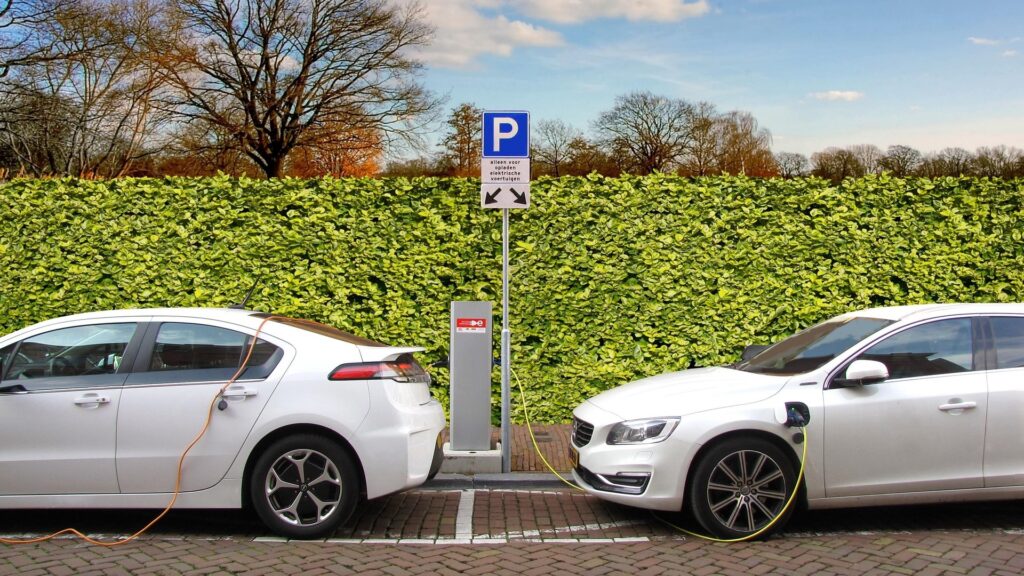
Global carmakers are slowing down the transition to all-electric lineups as consumer demand shifts. Photo: Pixabay
Global Automakers Pivot as Electric Vehicle Demand Declines
Global carmakers are slowing down the transition to all-electric lineups as consumer demand shifts. Major automakers like Ford, General Motors, and Mercedes-Benz have recently scaled back production targets or delayed electrification timelines, citing a slower-than-expected adoption curve, reported Moneycontrol. Hurdles like high vehicle prices, inadequate charging infrastructure, and the end of government subsidies in key markets like Germany are behind this slowdown, the report added.
The financial toll has been significant, with companies like Ford reporting multi-billion dollar losses in their EV divisions. To mitigate risks, manufacturers are adopting a flexible strategy, refocusing on hybrid and internal combustion engine (ICE) models to meet current consumer preferences.
Chinese Manufacturers Widen Dominance in Global EV Battery Market to Over 70%
Chinese companies have further solidified their position on the global electric vehicle (EV) battery industry, now commanding more than 70% of the worldwide market share, reported Nikkei Asia. According to recent industry data, leaders like CATL and BYD have expanded their footprint at the expense of South Korean and Japanese rivals. CATL alone maintains its position as the world’s largest battery maker, while BYD has surged ahead by leveraging its vertically integrated supply chain, supplying batteries not only for its own vehicles, but also to external global automakers.
This widening gap is attributed to China’s massive scale of production, lower manufacturing costs, and early secured access to critical raw materials like lithium and graphite. While the US and the EU have introduced subsidies and trade barriers to encourage domestic production, Chinese firms are investing in overseas factories in regions like Hungary and Morocco. As Chinese companies continue to innovate with cheaper lithium iron phosphate (LFP) technologies, traditional giants like LG Energy Solution and Panasonic face increasing pressure to remain cost-competitive in an accelerating global market.
Mahindra and HPCL Partner to Deploy EV Charging Network Across 24,400 Indian Fuel Stations
In a major boost to India’s electric vehicle infrastructure, Mahindra & Mahindra (M&M) has signed a Memorandum of Understanding (MoU) with Hindustan Petroleum Corporation Limited (HPCL) to establish a massive charging network. The collaboration aims to leverage HPCL’s vast retail footprint of over 24,400 fuel stations nationwide to install high-speed EV chargers, addressing range anxiety for both passenger and commercial vehicle owners, reported Electrive.
Under the agreement, HPCL will provide the physical locations and power supply, while Mahindra will offer technical insights and integrate the charging stations into its digital platforms. This partnership is strategically timed as Mahindra prepares to launch its new ‘Born Electric’ SUV range. By converting traditional petrol pumps into multi-energy hubs, the initiative supports India’s broader goal of achieving net-zero emissions. Industry experts suggest this nationwide rollout will be critical in transitioning toward sustainable mobility, ensuring charging access on major highways and remote locations alike.
India Added 547 MWh Energy Storage Capacity in 2025, rising by 26%
India’s battery energy storage sector achieved a significant milestone in 2025, adding 547 MWh of capacity — a 26% year-over-year increase from 433 MWh in 2024. According to Mercom India Research’s latest report, the country’s cumulative installed battery storage capacity has now crossed the 1 GWh mark, reaching 1,082 MWh as of December 2025. This growth was primarily driven by solar-plus-storage projects, which accounted for 54% of the total, followed by round-the-clock solar-wind hybrid projects and standalone systems.
The surge is attributed to robust government policy support and the increasing need for grid stability as renewable energy penetration rises. Regionally, Bihar led the installations with a 24% share, followed by Chhattisgarh and Rajasthan. The sector is entering an inflection point with over 20 GW of projects recently tendered. However, long-term success will depend on addressing regulatory hurdles, such as the 18% GST on standalone battery systems, and ensuring storage economics align with grid requirements.
India’s Data Centre Capacity Set to Quadruple by 2030, Reaching 5 GW
India’s data centre capacity is projected to grow fourfold by 2030. According to a report by CareEdge Ratings, the capacity is expected to surge from approximately 1.2 GW in 2023 to 5 GW by the end of the decade. This rapid expansion is being fueled by the digital-first shift, the rapid rollout of 5G, and the increasing integration of Artificial Intelligence (AI) and Internet of Things (IoT) technologies across Indian industries.
The report highlights that the surge in data consumption and localised data storage requirements are acting as primary catalysts. Major hubs like Mumbai and Chennai are expected to lead this growth due to their sub-sea cable connectivity. However, the expansion will require a massive investment of nearly ₹1.5 lakh crore. To sustain this momentum, the industry must address challenges such as high power costs and the need for sustainable, green-energy solutions to power these energy intensive facilities, the report added.
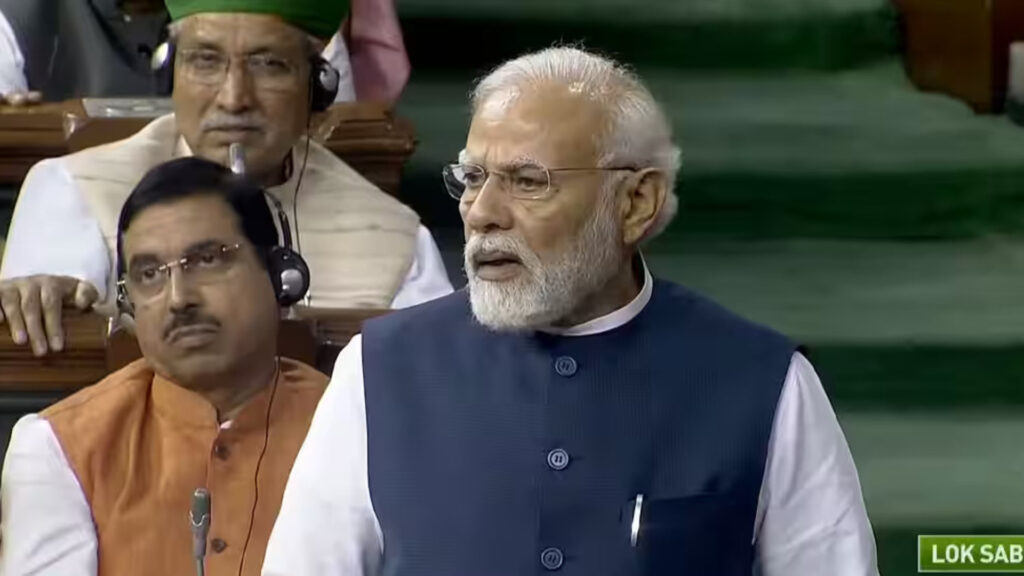
India is grappling with a severe energy crisis driven by the conflict in West Asia. Photo: Wikimedia Commons
Govt to Procure Crude, Gas From All Possible Sources Amid Global Energy Crisis
Prime Minister Narendra Modi said during a Rajya Sabha address that the government is trying to procure crude oil and natural gas from all possible sources and efforts will continue in the next coming days as the conflict in West Asia triggered a global energy crisis, reported ET Energyworld.
The PM noted that the strategic oil reserves of 53 lakh metric tonnes have been created in the last 11 years, and the work for adding another 65 lakh metric tonnes of storage capacity is underway. The government has also launched a ₹70,000 crore programme to boost shipbuilding capacity to support energy transportation.
Punjab LPG Distributors Cite Gas Shortage Even as Centre Claims Availability
Punjab-based LPG distributors said there is an inadequate supply of gas, despite Central government and oil marketing claims of adequate availability. The distributors have demanded an increase in supplies to clear the backlog, ET Energyworld reported.
The President of the Federation of LPG Distributors in the region said a sudden increase in price, imposition of restrictive booking intervals, and temporary suspension of LPG booking channels created a panic among consumers and surge of pending bookings.
LPG Shortage Exposes Fragility of India’s Clean Cooking Strategy
LPG shortage has caused a temporary return to firewood, especially among low income households, hostels, and eateries. In the weeks since the West Asia crisis began, the supply disruption has caused delays and uncertainty. Nearly 60% of India’s domestic LPG consumption is imported, 90% of which comes from the West Asia region, reported Mongabay.
The price of firewood has also doubled in Delhi costing ₹20 a kg than earlier ₹10. Cylinders are also being sold at much higher prices in the black market. India has around 332 million active domestic LPG connections, of which 104 million are under the PMUY scheme. Most connections are in urban areas, where the impacts of the ongoing crisis are being felt disproportionately.
LPG Shortage Spurs the Revival of Biogas and Alternate Fuels Across India
States like Kerala, Gujarat, and Maharashtra are adopting biogas and other alternate fuels to tackle the LPG shortage because of the ongoing war by US and Israel in West Asia, reported Down to Earth.
Several institutions in Mumbai with existing waste-to-gas systems said their facilities are helping manage supply uncertainty. Similarly, across rural Gujarat, communities are also experimenting with local renewable energy solutions, the report added.
Reliance Buys 5 Million Barrels of Iran Crude Oil After Trump’s Sanction Waiver
Reliance Industries bought 5 million barrels of Iran crude oil after the US waived off sanctions on the Iran oil. Iranian crude has largely been purchased by independent refiners in China and is often rebranded as originating from other countries in recent years, reported Times of India.
The transaction marks India’s first import of Iranian oil since May 2019, when the country stopped purchases following the reimposition of US sanctions on Tehran.
Japan to Release Biggest Oil Release Ever From National Reserves to Meet Domestic Demand
Japan’s Prime Minister Sanae Takaichi announced that 80 million barrels of stockpiled crude oil will be provided to refiners, which is equivalent to 45 days of domestic demand. This is the country’s biggest oil release ever from National reserves, The Guardian reported.
The government also introduced subsidies for fuel products to cap gas prices at about ¥170 ($1.10) per litre, after the average retail price of gas rose to a record ¥190.8 per litre. The initial subsidy will be reviewed every week based on oil prices.