
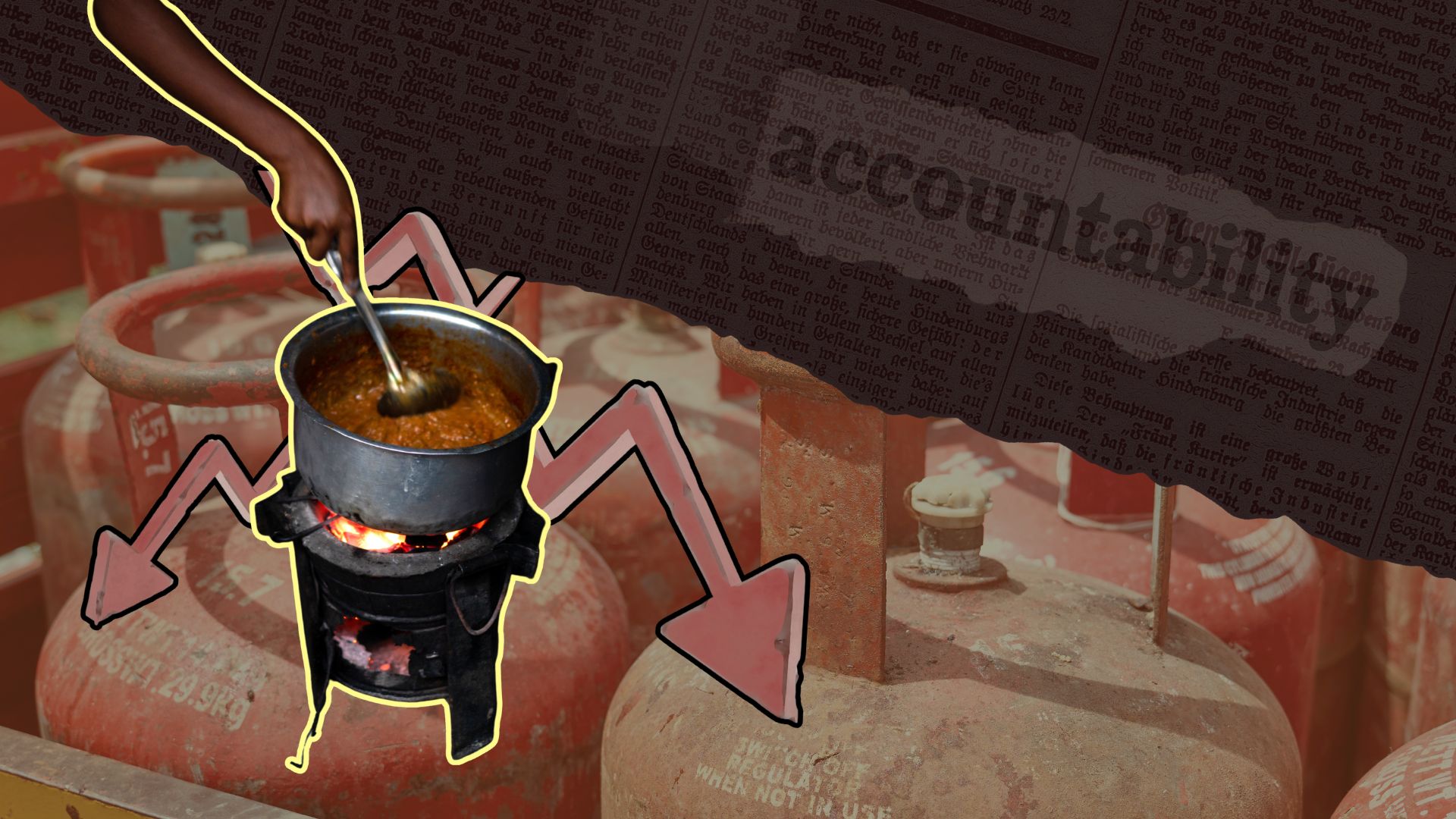

As the Indian government postpones price hikes, the country’s informal economy has grabbed its opportunity



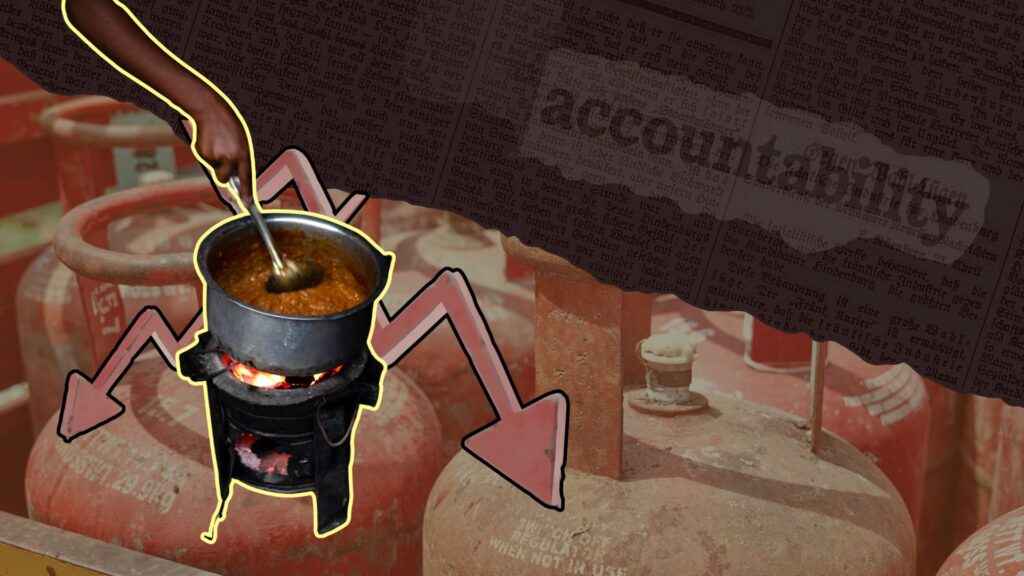
India’s energy crisis is showing up in kitchens without cooking gas, in migrant settlements where families buy LPG by the kilo. Photo: Riddhi Tandon
Weeks Into the West Asia Crisis, How Is India Really Doing?
As the Indian government postpones price hikes, the country’s informal economy has grabbed its opportunity
Prologue: This is CarbonCopy’s third bulletin on how India’s energy crisis is playing out. Here is Week One. Here is Week Three. And now, today, Week Six.
One morning last week, in the urban village of Madanpur Khadar, Kajal ran out of LPG.
Hers is one of the more impoverished parts of Delhi. Wedged between Uttar Pradesh and Haryana and abutting the Yamuna River, Madanpur Khadar is one of Delhi’s waste hubs. It processes thousands of tonnes of rubbish daily and predominantly counts migrants who work as cleaners, sweepers, office helpers and labourers as its residents.
That morning, with no refill in sight, the 35-year-old turned to a familiar (and large-hearted) fallback. “I’ll go to my friend’s house to cook,” she said, sitting among a group of women who have all, in recent days, found themselves navigating the same uncertainty. Across the village, empty cylinders have become a shared condition.
As supply disruptions due to the escalating war in West Asia ripple through global energy markets, the impact is now palpable in low-income neighbourhoods across India, where cooking fuel is claiming an ever-larger share of many workers’ daily wages.
Most residents of Madanpur Khadar have turned to black markets to procure gas, which is filling the gap left by formal LPG distribution chains.
Enterprising locals are selling small quantities of gas at ab0ve-market rates to households across the city. “We ran out of gas about 10 days ago,” said Anju Devi, a daily wage labourer. “Since then, my husband has been getting 1kg of gas daily from the neighbourhood where they are selling it for ₹300 a kg.”
Given a 14 kilo LPG cylinder lasts, on average, about a month in India, one kilo will last about two days. The resulting economics is unsustainable for most low-income settlements. “We earn about ₹400-450 a day,” Anju Devi told CarbonCopy. “Most of it now goes into buying gas. We’ve also reduced our gas intake due to the shortage.”
These trends point us to one conclusion and one question. One, as the energy shortage gets worse on the ground, India’s informal economy has stepped in, providing both black-market gas and firewood. As this report will show, its solutions are enterprising and customised to local purchasing power.
Its response, however, is also jury-rigged and can come with larger costs. As illegal LPG refilling centres use pipes and regulators to move gas from full cylinders to empty ones, India is seeing accidents like this one at Daltonganj and this one in Surat.
And so, the question. People fall back on the informal economy when official mechanisms fail. And so, what does its entry tell us about how India’s government is handling the energy crisis?
Falling back on the informal economy
As the conflict in West Asia passed its 45th day, similar tales like the ones we heard in Madanpur Khadar are coming in from across India.
Unable to afford LPG, some workers are leaving Delhi’s urban villages and informal settlements for home. Yet others, needing work or unsure they will find LPG back in their villages are staying on, falling back on either the black market or firewood gathered from nearby parks and forests.
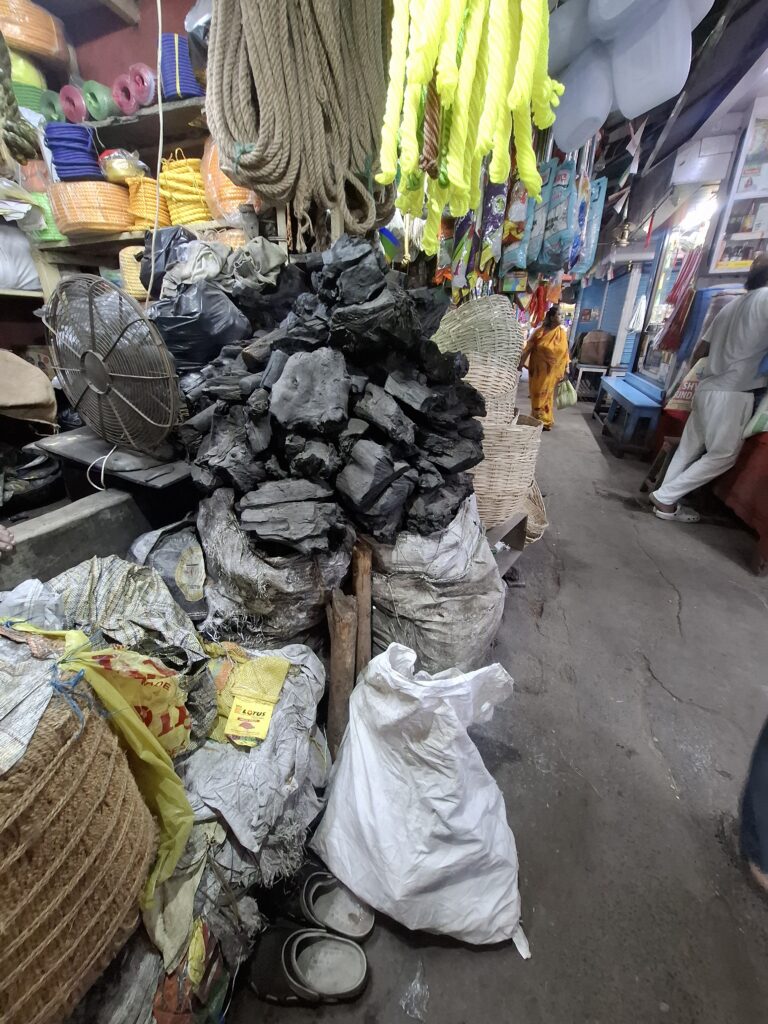
In a small settlement near Gole Market, Sunita Chauhan, who has lived in a makeshift home since 1984, said her family has returned to chulhas. “The price of firewood has also gone as high as Rs 120 per kilo,” she said. “We’ve started cutting logs from the nearby forests in the city.” Vakila Devi, who lives in the same colony as Chauhan, added the gas shortage has compounded existing vulnerabilities. “We’re already struggling with delayed pensions and no permanent housing.” Her family had initially depended on nearby restaurants, but when they shut down, they had no choice but chulhas.
In Kalka-Garhi, another urban village settlement in Delhi, Rahul, 24, said his family recently spent ₹4,500 on a cylinder, three times as much as the official price, and have also stockpiled firewood worth ₹80-90 per kg for emergencies. “Few of us in the area have also collected wooden logs from nearby parks,” he said.
Around 10-15 shops in the Kalka-Garhi have closed in recent weeks, many staffed by migrant workers who returned to their hometowns. Saif Sheikh, who runs a tailoring shop, said labour shortage has affected his business. “Most of the people working here have gone back home because they couldn’t get gas cylinders and even eating at dhabas was getting expensive for them.”
For some families, however, returning home is not an option. As Kajal had told CarbonCopy, “What will we do going back home? Even there we depend on LPG for food.”
She is right. The energy shortage has also reached rural India. Take Dulki. A village on an island called Gosaba within the Sundarban delta, it has not seen regular LPG supplies since mid-February.
Unlike much of rural India, almost every household in this village was using gas for cooking but now, with LPG unavailable at the regulated price, they have shifted to firewood. “As of now, forests are not being cut,” said Raju, a resident of Dulki. “Villagers are collecting firewood, fallen leaves and twigs for emergency purposes.” It wasn’t a hard transition. Most households were still using their traditional firewood stoves. “If cooking quantity is more, cooking duration is longer, or we are boiling feed for cattle, using gas can be inefficient,” he had told CarbonCopy.
Elsewhere in India, though, forests are being logged. Take Amchakala, a village with about 60-70 homes near Madhya Pradesh’s famous Bhimbetka rock caves. Here, after using subsidised LPG cylinders provided by the central government’s Ujjwala scheme for five years, its households have gone back to chulhas. Every morning, its villagers now head into Ratapani Tiger Reserve with axes and ropes to illegally harvest firewood.
Media reports suggest that, across India, the price of alternate fuels is rising. In Tamil Nadu, led by demand from households and eateries, the price of firewood rose to ₹8,000 per tonne (₹8/kilo) within 10 days of the conflict.
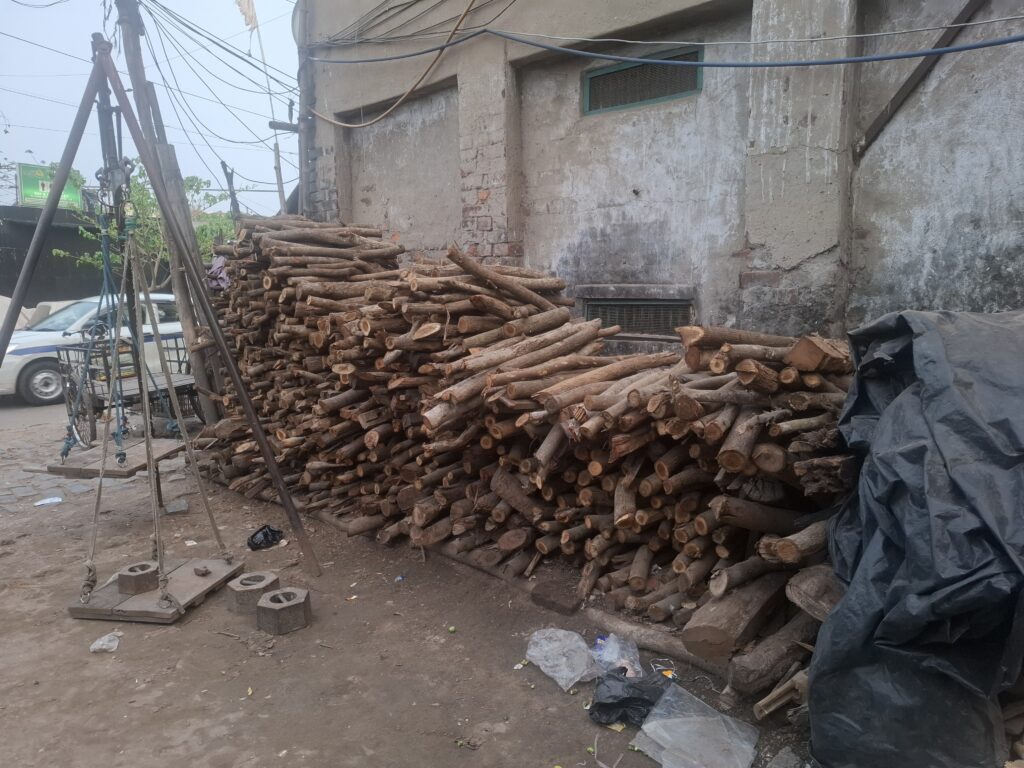
Around the same time, firewood got costlier in Delhi, climbing from ₹20/kilo to ₹30-40/kilo. Coal, in the city, similarly rose from ₹40/kilo to ₹60/kilo. A month into the war, firewood prices had climbed from ₹6-7/kg to ₹8-10/kg in Karnataka. Today, 45 days into the hostilities, demand for firewood continues to rise in Kolkata. “We have seen around a 20-25% increase in demand for firewood in the past two weeks,” a firewood seller told CarbonCopy. He did not want to be identified.
Blackmarket rates for gas, as Anju Devi of Madanpur Khadar told CarbonCopy, are rising, too. In Delhi, 14 kg cylinders, which used to cost ₹1,000, are now selling for anywhere between ₹4,000 and ₹5,500. In Bangalore, their black-market price rose to ₹5,000. In Surat, refills of the 5 kg LPG cylinder began costing ₹500. In Delhi, black-marketers also began selling half-filled cylinders for ₹2,000. Yet others, as the people of Madanpur Khadar said, began selling LPG by kilo – using pipes and regulators to move gas from one cylinder to another. LPG price variations between cities became palpable as well.
This entry of the informal sector needs to be understood.
How is India managing the energy shock?
Over the past 45 days, India’s Union government has taken a series of steps to ameliorate the energy crisis. These include both supply-and demand-side interventions.
On supply, a diplomatic outreach is underway as India tries to buy more from Russia, Venezuela and countries in Africa. State-owned refineries have been told to boost LPG production.
On demand, households have been told to switch from LPG to PNG. The government has also withdrawn gas from some sectors while keeping supplies stable elsewhere. It halted commercial LPG supplies, for instance, and directed all LPG to domestic users. In tandem, India is seeing police raids and surveillance (Aadhaar-based verification for gas cylinders, etc) to crack down on hoarding and black-marketing.
That is just the start. The government has also hiked commercial LPG rates — up 10% to ₹2,078 — and is planning subsidised community kitchens, each with assured cooking gas supply, in key manufacturing hubs to stem the numbers of migrants heading home. It is also working on financial relief for Indian firms — including a ₹2.5 trillion credit guarantee scheme; rationalisation of tax and duty structures on energy inputs; extending delivery timelines for central and state PSU contracts; a price-stabilisation fund; and so on.
One looks at this flurry of responses and two patterns stand out. One. Some of these measures, like the rationalisation of duty structures, are weak amelioratives for what is, ultimately, a problem of physical scarcity. As of now, world oil supply has dropped from 106 million barrels/day in 2025 to 82.9 million barrels/day. And that, mind you, is just crude. India gets 80-85% of its imported LPG; about 55% of its crude; and 60% of its LNG from the Persian Gulf. Of these, the government is relatively better placed on crude, thanks to a more geographically dispersed supply chain. But even there, India has problems. “A barrel of oil from Venezuela is not the same as a barrel or oil from Russia or Saudi Arabia,” a former petroleum secretary told CarbonCopy. “This is not a simple case of ‘we lost 2o here, but replaced it with 20 from elsewhere.”
The shock in LNG, given India’s dependence on imported LNG (half of India’s LNG is imported, and 80-85% of that comes from Qatar), is even harder to absorb. To quote MB Ghalibaf, the Speaker of the Iranian Parliament, countries cannot “print gas molecules”.
Complicating matters, as books like Plastic Inc show, since the global oil industry responded to talk of Peak Oil by getting the world hooked to plastic, the world is seeing shortages in industrial feedstocks as well. Within a month of hostilities, plastic and polymer production had dropped by 40%. And polypropylene prices, for instance, had risen from ₹110/kg to ₹180/kg. Similar shortages loom for helium, fertilisers, sulphuric acid and so on.
Two. Given state polls, price hikes have been a prominent absence within the government’s measures. “Prices are one way we match demand and supply,” said Avinash Kishore, a senior research fellow at IPFRI. “And in India, we have largely taken that option off the table.”
This reluctance to raise prices — barring hikes for commercial LPG and aviation fuel for international flights — comes with large costs. For one, the load is falling on India’s oil companies. “I am told they are making a loss of ₹20 per litre of petrol and diesel,” a retired petroleum secretary told CarbonCopy. In addition, as this article said above, the government has created a hierarchy of needs and is supplying LPG/LNG to some sectors, while starving others.
This decision resulted in the entry of the informal economy. One place to start is fertilisers.
Price for demand management
In his conversation with CarbonCopy, Kishore alluded to Urea.
“One argument against price hikes is that poorer farmers won’t be able to afford fertiliser,” he said. “In the case of urea, that concern is hardly relevant today.”
Indeed, as a clutch of media reports and academic papers say, over-subsidisation has resulted in Indian farmers overusing urea. While the recommended ratio of nitrogen, phosphorus, and potassium (NPK) fertilisers is 4:2:1, in 2022-23 the ratio of actual applications was 11.8:4.6:1. For this reason, price hikes are a way to get farmers to use urea more carefully.
As things stand, India might run into an urea shortage later in this kharif season. “Farmers use half their urea at the beginning of the kharif and the rest follows later,” Kishore had said. “In that sense, we have enough urea for the early to mid kharif.” The outcome, in effect, is one where price hikes might have resulted in more judicious use of urea. And, as the instance of Kajal from Madanpur Khadar shows, also resulted in more careful use of LPG.
What India is seeing, however, is an outcome where some sectors are using petroleum and its products as before — with no sign of scarcity — while others scour for energy. Along the way, as fuels like LPG and LNG came to have two prices — the real price and the suppressed (official) price at which a few sectors get it — the informal economy saw its opportunity. For instance, as Raju of Gosaba said, any available stock of LPG cylinders on the island began getting sold in the black market or at inflated prices.
The government has thereafter responded with brute force — carrying out raids on illegal refilling centres, insisting on Aadhaar-based verification for LPG deliveries, threatening to revoke LPG connections from anyone who doesn’t switch to PNG, and so on.
Some of this will change after state polling — in Kerala, West Bengal, Tamil Nadu and Assam and Puducherry — ends, say experts.
Elsewhere in India
It’s hard to predict what happens next.
Given the damage to oil infrastructure in the Gulf, it’s clear by now that oil supplies won’t get back to normal in a few weeks or months. It’s also clear that oil prices will rise further.
Here is why. The first Gulf War (1990) took 6% off global oil supply and oil prices jumped 93%. In 2002, too, at the time of the second Gulf War, supply fell by 2% but oil prices spiked 28%. This time around, with damage running deeper, there is already chatter that oil might touch $200/barrel. Given rising prices, India might end up buying less petroleum than before. At the same time, though, as India’s informal economy is already showing us, there are limits to what Indians can pay. If prices go too high, households will fall back on alternatives like firewood and coal.
For now, in these final days before the expected price hike, the country is awash in second- and third-order effects. In Kolkata, auto drivers are spending hours, sometimes the entire night, queuing at fuel stations. Small businesses in the city are also feeling the squeeze. With fewer restaurants operating, the demand for fish has dropped. “Eateries which used to take 6kg of fish daily now take only 1.5-2kg,” said an employee at Baba Lokenath Fish in Kolkata’s Gariahat market. With that, fish prices dropped, affecting fisher-folks in turn.
Polymers are directly linked to naphtha and other crude derivatives — and so industrial production is dropping as well. There are ecological worries as well. In the Sundarbans, Gosaba has seen concentrated mangrove reforestation programmes. Any recourse to deforestation will reverse years of work.
One has also seen flip-flops. The decision to halt commercial LPG supplies, for instance, choked the production of a key solvent (isopropyl alcohol) and forced top drugmakers to warn of disruptions to medicine supplies. In response, the government allowed supply of a “certain minimum” quantum of LPG to key pharma companies.
In the coming days, more such choices will have to be made. “In sowing season, for instance, India will need to provide diesel (for pumps) and gas (for fertiliser),” said the former petroleum secretary. “At that time, we might need to starve other sectors.”
And in turn those that live off those sectors.
Photo: Canva
Record Heat in March, Second-Warmest Sea Temperatures Signal Approaching El Nino
Monsoon this year is likely to be below normal at around 94% of the long-period average (LPA), with an error margin of ±5%, private weather forecaster Skymet Weather said, warning the return of El Niño as a key risk to the June–September season, HT reported.
The private weather agency said there’s a 40% probability of below-normal rainfall — between 90% and 95% of the LPA — and a 30% chance of drought conditions, with rainfall falling below 90% of the LPA, according to Skymet’s projections. The probability of a normal monsoon is 20%, of above-normal rainfall 10%, and of excess rain zero. The LPA for the four-month monsoon season is 868.6mm.
The newspaper said the forecast carries significant economic implications. Monsoon is the lifeblood of India’s economy. According to the agriculture ministry, 51% of India’s farmed area, accounting for 40% of production, is rain-fed. With 47% of the country’s population dependent on agriculture for their livelihood, a below-par monsoon can dampen rural consumption and push up food prices in a year when the conflict in West Asia threatens to pose a larger threat to energy availability and fertilisers – a critical farm input.
The outlet noted that the concern is the return of El Niño. After a year-and-a-half of La Niña conditions, the Pacific Ocean has turned favourable for ENSO-neutral conditions, but a shift is imminent, according to Jatin Singh, managing director of Skymet.
El Nino and La Nina are opposite phases of a natural climate cycle — called ENSO, or El Nino Southern Oscillation — driven by sea-surface temperature changes in the equatorial Pacific. El Nino, the warmer phase, typically suppresses India’s monsoon and brings weaker rainfall; La Nina, its cooler counterpart, tends to strengthen it, the newspaper explained.
Stormy April Ahead, Lower Than Normal Peak Temperatures in India This Summer: IMD
Day temperatures between April-June will likely be below normal, or normal across most parts of India, the India Meteorological Department (IMD) said in its updated forecast, warning that many parts of the country could also see intense thunderstorms in April, HT reported, adding that a wet April could damage standing ready-for-harvest crops, some of which have already been impacted by western disturbances in the second half of March.
Alerting the farmers, the agency predicted an 80% likelihood of an El Nino developing in the second half of the monsoon — which could sap the rainy season. In its forecast, IMD said many parts of eastern and the North East, and also the eastern parts of Central India, and the peninsular region adjoining these could, however, see hotter days.
The weather office has predicted above normal rain , at 112% of the long period average, in April; the LPA, based on average rain from 1971-2020 is 39.2 mm.
The weather office said there is a 62% chance of El Nino emerging in June-July-August period and there is an 80% chance of El Nino persisting in August-September-October.
El Niño years typically bring weak monsoons and harsh summers to India. The monsoon is primarily driven by the intense heating of land compared to the sea during summer
Expect Weaker Monsoon This Year Due to El Niño: Skymet
Monsoon this year is likely to be below normal at around 94% of the long-period average (LPA), with an error margin of ±5%, private weather forecaster Skymet Weather said, warning the return of El Niño as a key risk to the June–September season, HT reported.
The private weather agency said there’s a 40% probability of below-normal rainfall — between 90% and 95% of the LPA — and a 30% chance of drought conditions, with rainfall falling below 90% of the LPA, according to Skymet’s projections. The probability of a normal monsoon is 20%, of above-normal rainfall 10%, and of excess rain zero. The LPA for the four-month monsoon season is 868.6mm.
The newspaper said the forecast carries significant economic implications. Monsoon is the lifeblood of India’s economy. According to the agriculture ministry, 51% of India’s farmed area, accounting for 40% of production, is rain-fed. With 47% of the country’s population dependent on agriculture for their livelihood, a below-par monsoon can dampen rural consumption and push up food prices in a year when the conflict in West Asia threatens to pose a larger threat to energy availability and fertilisers – a critical farm input.
The outlet noted that the concern is the return of El Niño. After a year-and-a-half of La Niña conditions, the Pacific Ocean has turned favourable for ENSO-neutral conditions, but a shift is imminent, according to Jatin Singh, managing director of Skymet.
El Nino and La Nina are opposite phases of a natural climate cycle — called ENSO, or El Nino Southern Oscillation — driven by sea-surface temperature changes in the equatorial Pacific. El Nino, the warmer phase, typically suppresses India’s monsoon and brings weaker rainfall; La Nina, its cooler counterpart, tends to strengthen it, the newspaper explained.
Humid Heat Rises on the Coasts of India Impacting Health
With heatwaves getting frequent and intense, the southwestern coast is facing rising humid heat. Air packed with moisture doesn’t allow sweat to cool the body. On tropical coasts, especially before the monsoon, this is getting closer to dangerous levels as studies show — the human body struggles to cool itself, touching the limits of adaptation, Mongabay reported.
The outlet said heat stress along India’s coasts has intensified significantly since 1981, driven by the combined rise in temperature and humidity, a new long-term study led by scientists at the India Meteorological Department (IMD) shows.
Analysing data from 1981 to 2020, IMD Pune scientists showed that wet-bulb temperatures — a measure of temperature with humidity — have increased across all seasons. The risks are largely under-recognised across the country’s humid shorelines, the report said. Fishers say their workdays are shrinking, as heat turns labour into endurance. Warming seas are amplifying risk, demanding urgent forecasting and adaptation, the climate news website said.
Shifting Climate Pattern: Winter Forest Fires Signal a Shift in Fire Season
In Kashmir, forests are burning in the snow season of December and January, months that were once largely considered fire-free, Mongabay reported. Forest fires are associated with the warmer months when dry vegetation and rising temperatures fuel their spread. However, there seems to be a shift in this pattern, the outlet said.
Incidents have been reported across several parts of Kashmir. Satellite-based fire alerts and official records suggest the problem is growing.
Irfan Rasool Wani, Chief Conservator of Forests, Kashmir, told Mongabay : “There has been a deficit in precipitation from around 2020 onwards…Because of this, conditions are becoming increasingly favourable for winter fires.”
Official forest department data show that 366 forest fire incidents were recorded across Kashmir between April 2025 and February 2026, affecting nearly 972 hectares of forest area.
During the winter months between December 2025 and February 2026, 48 forest fire incidents were reported across Kashmir indicating that fires are now appearing outside their traditional seasonal window, the outlet.
The Centre asked states and UTs to begin the process of demarcating forest boundaries digitally in keeping with its order in a 2011 case in a move that it expects to help address issues such as misclassification of forest areas, prevent encroachments, and resolve overlapping claims under the Forest Rights Act, 2006 , reported HT.
The Lafarge Umiam Mining verdict dealt with green clearance for limestone mining in Meghalaya. It ordered the creation and regular updating of a GIS based decision support database with coordinates of forests as defined in the Forest (Conservation) Act, 1980; the core, buffer and eco-sensitive zone of the protected areas constituted as per the provisions of the Wildlife (Protection) Act, 1972; the important migratory corridors for wildlife; and forest land diverted in the past.
Only Odisha has completed more than 90% of the settlement and digitisation process, while Assam, Andaman & Nicobar, Uttarakhand, UP, Jharkhand, Bihar, Meghalaya, Telangana, Tamil Nadu, Maharashtra are at different stages of carrying out settlement and digitisation process of forest boundaries of the forest lands in their jurisdictions. To address delayed compliance of the SC order on demarcating forest boundaries, the ministry organised a workshop on April 10 with participation from all states and UTs, the newspaper said.
India Has “Withdrawn” its Candidature to Host COP33 in 2028, an Offer Made by PM Modi on the Sidelines of COP28 in Dubai
India withdrew its bid to host the 33rd edition of the Conference of Parties (COP 33) in 2028 — the annual United Nations climate talks.
Prime Minister Narendra Modi had announced India’s interest in hosting COP33 at COP28 in Dubai in 2023. The Ministry for Environment, Forests and Climate Change (MoEFCC) didn’t comment on the development.
Citing Climate Home report, an April 2 letter by Rajat Agrawal, Joint Secretary in the MoEFCC, to the United Nations Framework Convention on Climate Change (UNFCCC), stated that India was withdrawing its candidacy following a “review of its commitments for 2028”.
In July 2025, the MoEFCC had set up a dedicated cell for the “professional and logistical requirements” to organise COP33. This followed a joint declaration at the 17th BRICS summit on July 7, where the member countries “welcomed” India’s candidacy.
The hosting of COP rotates among the UN’s five regional groups — African States, Asia-Pacific States, Eastern European States, Latin American and Caribbean States and Western European and other States. India is part of the Asia Pacific group.
With India withdrawing, South Korea is the only country that has so far expressed interest in hosting COP33.
India has hosted a COP only once — in 2002 (COP8) — when it was a relatively low-key affair.
On March 25, India announced its updated Nationally Determined Contributions (NDCs), committing by 2035 to source 60% of its installed electricity capacity from non-fossil sources, reduce emissions intensity of GDP by 47%, and increase its carbon sink by 3.5-4 billion tonnes of CO₂ equivalent.
UN Climate Summit will be ‘COP of the Future’, says COP 31 President Turkey
COP31 president, Murat Kurum, Minister of Environment, Urbanisation and Climate Change of Turkey said the UN climate summit will be “COP of the Future” in his first letter to parties, in run-up to the meeting in Antalya this November, HT reported.
Kurum said COP31 will be guided by dialogue, consensus, and action. This is the second year in a row when the US, responsible for the highest historical greenhouse gas emissions, will not participate in the UN climate negotiations.
COP31 will be realised through a new model of cooperation developed between Turkey and Australia, marking a departure from previous COPs. “The COP31 Presidency takes pride in establishing an innovative model that promises to deliver a new, inclusive, and solution-oriented COP.”
Don’t Mention Climate: Trump Creates ‘Beyond Absurd’ Situation at Global Finance Talks
Ahead of this week’s spring meetings of the International Monetary Fund (IMF) and the World Bank, governments “are being urged not to mention the climate, even as they address the current oil crisis”, the Guardian reported, adding that the meeting was supposed to agree a new “climate change action plan” (CCAP) for the World Bank before the current strategy expires in June. The newspaper said this “may be shelved, along with substantive discussion of the climate crisis”.
IMF, World Bank, IEA Urge Countries to Stop Hoarding Energy Supplies, Imposing Export Controls
The IMF, World Bank and IEA have issued a joint statement on the Iran crisis, which they call the “biggest shock ever to the global energy market”, Reuters reported. The news wire said “IEA chief Fatih Birol told reporters after a meeting with IMF and World Bank leaders that several countries were holding onto stocks and imposing export restrictions, and appealed to all countries to let energy stocks flow to the markets. He did not name the countries.” According to Anadolu Ajansı, the statement “warn[s] fuel, fertiliser prices may stay high for a prolonged period”.
The Wall Street Journal reported the statement says the impact of the war is “substantial, global and highly asymmetric, disproportionately affecting energy importers, in particular low-income countries”.
Vienna Conference : Amid West Asia conflict, China’s Climate Envoy Warns of Energy Security Risks, Urges Renewables Shift
Liu Zhenmin, China’s climate envoy for climate change, said at a conference in Vienna that the global energy crisis prompts an “urgent need for countries to rethink their energy security strategies and accelerate the transition to renewable energy”, People’s Daily reported.
Xinhua, China’s state media, cited a report from Nomura saying that China’s “rapid expansion of new energy sources” can bolster the resilience of its export sector.
Xinhua also reported that the war in West Asia exposed “vulnerabilities in Europe’s energy system” while strengthening the “political momentum for long-term energy transformation” in the region. Jiemian news portal reported that Chinese companies in the energy storage sector are seeing net profit growth during the first quarter amid overseas “geopolitical volatility” that has heightened the importance of energy security.
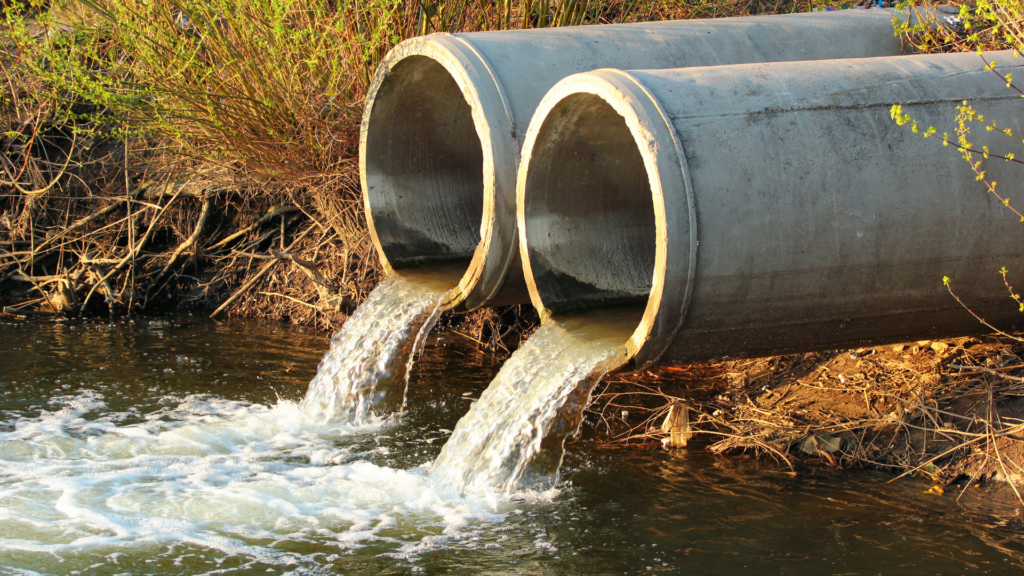
The Haryana government ordered Gurugram civic bodies to plug illegal sewage discharge points in the city’s Leg One, Leg Two and Leg Three stormwater drains by June-end in a phased manner to curb pollution in the Yamuna River, HT reported, citing officials.
As per government estimates, around 150 million litres per day (MLD) of untreated sewage currently flowing into these drains will be diverted to sewage treatment plants (STPs) once the discharge points are plugged, reducing pollution levels in the Yamuna.
The Haryana State Pollution Control Board (HSPCB) also said that while granting a change of land use (CLU), project proponents may be required to install CETPs alongside the construction and commissioning of their projects.
Factory-made Precast Stormwater Drains to Tackle Waterlogging, Reduce Pollution in Delhi
To stop waterlogging and flooding in New Delhil, the Public Works Department (PWD) is set to mark a departure from “cast in-situ” drainage lines in several parts of the city. The department has decided to remodel and construct all stormwater drains using “precast” technology on straight roads, officials said. This will also help reduce pollution, officials added, as the cast in-situ method involves building drains by digging up roads, often causing traffic congestion and contributing to pollution, IE reported.
“Precast drains (which are factory-made) take less time to install and work is also completed early and it also has a 50-year guarantee,” the news report quoted PWD Minister Parvesh Sahib Singh as saying.
How the AI boom Derailed Clean‑air Efforts in One of America’s Most Polluted Cities
The AI boom is reshaping energy policy in ways that are weakening public health protections. A Reuters report stated the Trump administration rolled back clean-air rules as rising electricity demand from AI and data centres puts pressure on the power grid. In the St. Louis region, one of America’s most polluted areas, the move could allow ageing coal plants to keep operating for longer. Under stricter soot standards adopted in 2024 during the Biden administration, rules due to take effect in 2027 would have required major emitters to sharply cut pollution or shut down.
That included Ameren’s Labadie Energy Center, one of the region’s biggest polluters, which would have needed to halve its soot emissions to remain open. Activists, researchers and community groups say the rollback will deepen health burdens in a region already struggling with poor air quality, with Black communities expected to bear the heaviest impact.
Musk’s Firm xAI That Powers Grok Sued Over Illegal Use of Polluting Methane Turbines
One of America’s largest civil rights organizations, National Association for the Advancement of Colored People (NAACP), filed a lawsuit against Elon Musk’s AI venture xAI and its subsidiary MZX Tech, accusing them of illegally operating methane gas turbines to power a major data centre in South Memphis. The organisation has moved federal court in Mississippi saying that the company violated the Clean Air Act, and its use of the turbines should be halted and fine be imposed, TOI reported.
The xAI’s Colossus 2 data centre, part of the company’s growing infrastructure to train its AI assistant, Grok, has been running 27 gas turbines at the site without securing the required air permits. Under US environmental law, any major source of pollution must be approved before it is built or operated.
The NAACP argued that the turbines emit hazardous pollutants, including fine particulate matter and chemicals linked to serious health conditions such as respiratory illnesses, heart disease and certain cancers. The issue is particularly sensitive given the facility’s proximity to residential areas, where locals have already raised concerns about air quality and long-term health risks.
China’s Air Pollution Control Enters ‘Deep Water’ Phase: Electrify Industry and Transport and Cut Coal Use
China’s air pollution control is now entering what policymakers describe as the “deep water” stage, further progress will depend less on rapid, large-scale conventional reductions and more on structural changes: electrifying heavy industry and the transport sector, supported by a growth in clean power generation and a reduction in coal consumption, Dialogue Earth reported.
China recently set new national air quality standards requiring annual fine particulate matter (PM2.5) limits to fall from 35 to 30 micrograms per cubic metre (μg/m³) by 2030, and further to 25 μg/m3 after 2030.
Average PM2.5 concentration stood at 28 µg/m³in 2025, within the current national standard of 35 µg/m³, but still six times higher than the World Health Organisation’s guideline.
The main emerging challenges are volatile organic compound (VOC) emissions, mainly from cars and industry, as well as increased coal use in the chemicals industry and widening regional disparities.
India’s renewable energy installed capacity is ranked number three globally after China and the US, according to Renewable Energy Statistics 2026, Union minister for new and renewable energy Pralhad Joshi said, HT reported.
The newspaper cited Joshi as saying India has moved ahead of Brazil in the ranking. The International Renewable Energy Agency released the statistics as of December 2025. He said India achieved a total non-fossil capacity addition of 55.3 GW during Financial Year (FY) 2025–26.
China ranked at the top with renewable energy capacity at 2,258.02 GW, followed by the US at 467.92 GW and India at 250.52 GW. India is followed by Brazil with a capacity of 228.20 GW and Germany with 199.92 GW.
The minister also highlighted that in July 2025, India reached its highest-ever renewable energy share in electricity generation. Renewables met 51.5% of the country’s total electricity demand of 203 GW, he said.
India Set to Emerge as World’s 2nd-Largest Solar Market in 2026: NSEFI
India is poised to become the world’s second-largest solar market in 2026 in terms of annual installations, the National Solar Energy Federation told ET. India achieved its fastest-ever addition of 50 GW of solar capacity in just 14 months reaching the 150 GW milestone. It took 11 years to reach the first 50GW and three years to reach 100 GW. At the current pace, India is adding nearly 50 GW of solar power annually and will achieve its 300 GW of solar to meet the 2030 target of 500 GW of all renewable energy, the federation said.
Solar Energy, Cheap Battery Storage Can Meet 90% of India’s Power Demand at Affordable Costs: Report
Battery storage is now cheap enough in India that solar power can meet 90% of the country’s power demand at lower lifetime costs than current average purchase rates in most states, a new study found. This finding could potentially point to a future buffer against global energy shocks, according to a report by Ember.
This means that solar power can affordably supply India with power day and night for most months, especially in states with high solar irradiance (a measure of solar intensity), the newspaper HT explained.
The report said Ember research showed India could have met 90% of its electricity requirements in 2024 with solar and battery power at a levelised cost of electricity (LCOE) – a metric to evaluate the average cost of power generation for an energy asset’s lifetime – of ₹5.06/kWh, assuming there are no grid constraints.
HT reported on April 2 that the government is taking several measures to reduce LPG import dependence and enhance energy security in the medium to long term. These include prioritising piped natural gas and renewable energy development, including solar, wind, bioenergy and green hydrogen.
India Takes Second Leap Towards Energy Security as Kalpakkam Reactor Achieves Criticality
India’s nuclear reactor at the coastal nuclear complex of Kalpakkam, 70km from Chennai, achieved a self-sustaining chain reaction on Monday, marking India’s entry into the second stage of a long-planned three-stage nuclear energy strategy, Telegraph reported.
The 500MW Prototype Fast Breeder Reactor (PFBR), designed to produce more nuclear fuel while it generates power, “successfully attained first criticality” — a controlled nuclear fission chain reaction — at 8.25pm on Monday, India’s Department of Atomic Energy (DAE) said on Tuesday.
The report explained that inside the reactor, plutonium atoms get split, releasing heat and neutrons that sustain the reaction and generate power, while a blanket of uranium surrounding the core gets converted into more plutonium fuel, a process key to breeder technology.
The reactor is designed to produce more fuel than it consumes. Commercial operation is expected by late 2026 or early 2027. This advancement is crucial for harnessing India’s thorium reserves and ensuring long-term energy security, ET reported.
Chinese energy storage firms push harder overseas as orders boom
Chinese energy storage manufacturers are witnessing a spike in overseas orders and accelerating their factory expansions to capture growing international demand.
New overseas orders for Chinese energy storage companies reached 366 gigawatt-hours in 2025, marking a 144% year-on-year increase, according to the China Energy Storage Alliance, Caixin reported.
The momentum has continued into the first quarter of 2026, with exports of large-scale storage systems jumping more than 130% and residential systems growing by over 65%. Over 70 Chinese companies have secured orders across more than 60 countries and regions, primarily targeting core markets in Europe, Australia, North America and the Middle East, the report said.

Photo: Canva
Full Tax Waivers Proposed For Cars Under ₹30 Lakh in Delhi EV Policy Draft
The Delhi government unveiled the draft for its Electric Vehicle (EV) Policy 2.0, introducing significant fiscal incentives aimed at accelerating the transition to clean mobility. A key highlight of the proposal is the 100% waiver of road tax and registration fees for electric cars priced under ₹30 lakh, reported NDTV. Additionally, the draft breaks new ground by offering a 50% waiver on these taxes for strong hybrid vehicles, recognising that these can play a big role in reducing emissions.
The policy also shifts focus toward charging infrastructure, proposing subsidised electricity rates for private charging points and incentives for high-speed charging hubs. For two-wheelers, the government plans to continue purchase subsidies while introducing a scrapping bonus to encourage the retirement of older internal combustion engine vehicles. These measures are designed to sustain the momentum of the previous policy phase, aiming to make electric vehicles more accessible to middle-income buyers and further curb the capital’s air pollution.
India’s Data Centre Capacity Set to Surge to 5 GW by 2030
India’s data centre sector is projected to experience exponential growth, with capacity expected to reach 5 GW by 2030, according to a new report by Vestian. This represents a significant leap from the current operational capacity of approximately 1.4–1.6 GW, reported ET Energy World. Driven by rapid AI adoption and enterprise digital transformation, the market valuation is forecasted to rise from $10 billion in 2025 to $22 billion by the end of the decade.
The expansion is supported by nearly $30 billion in cumulative investment commitments slated for completion by 2026. India holds a structural edge over mature markets like Japan and Singapore due to lower construction costs, favorable policy incentives, including tax exemptions and single-window clearances. Currently, Mumbai dominates the landscape with a 49% market share, followed by Chennai. While the focus remains on hyperscale cloud deployments, the rise of generative AI is further intensifying demand for high-capacity infrastructure across the country.
India Plans $3.8 Billion Battery Manufacturing Push
The Indian government is preparing a massive $3.8 billion (₹32,000 crore) incentive package to bolster domestic battery manufacturing and secure its energy supply chain, reported Moneycontrol. A central pillar of this strategy is the introduction of an ‘Approved List of Models and Manufacturers’ (ALMM) for batteries, similar to the existing framework for the solar sector. This move is designed to create a battery moat by ensuring that only high-quality, locally produced or vetted components are used in government-supported projects.
The initiative seeks to reduce India’s heavy reliance on imports, particularly from China, as the country scales up its EV adoption and grid-scale storage capacity. By providing financial boosters and implementing strict quality standards, the policy aims to attract global manufacturers to set up gigafactories within India. Officials believe this integrated approach will not only stabilise the domestic supply chain but also position India as a competitive global hub for battery exports.
Europe Sees Surge in EV Interest as West Asia Conflict Spikes Fuel Costs
A sharp rise in European fuel prices following the outbreak of war in Iran has triggered an unprecedented surge in EV inquiries. Online marketplaces in the UK, Germany, France, and Spain reported significant spikes in EV interest, reported The Guardian. France’s La Centrale saw searches jump by 160% between early March and April. In Germany, where diesel prices reached €2.50 per litre, the platform Mobile.de noted a 50% increase in inquiries.
The shift is attributed to consumers’ growing sensitivity to the total cost of ownership as the closure of the Strait of Hormuz continues to disrupt global oil supplies. While experts debate if this trend will be permanent, industry data suggests a new, higher normal for EV demand. In the UK, battery electric registrations hit a record high in March, up 24.2% year-on-year, as buyers increasingly seek to shield themselves from volatile energy markets.
China’s EV Exports Hit Record High Amid Global Energy Crisis
China’s exports of electric and hybrid vehicles surged to a record 349,000 units in March, reported Bloomberg. This was a 140% year-on-year increase fuelled by the global energy shock from the war in Iran. As the closure of the Strait of Hormuz drives international fuel prices to record levels, consumers are increasingly turning to greener alternatives to avoid volatility at the pump.
Industry leader BYD accounted for nearly one-third of these shipments, while other major players like Geely and Chery also reported significant gains. Analysts have compared this shift to the 1970s oil crisis, which similarly fast-tracked the global adoption of fuel-efficient Japanese cars. While domestic sales in China remain sluggish due to reduced subsidies, the export boom has solidified the country’s dominance in the global clean-tech supply chain. Investments in battery technology and infrastructure have positioned Chinese manufacturers to capitalise on this urgent restructuring of the global energy order.
OpenAI Pauses Plans For UK Data Center Amid Energy Concerns
OpenAI has reportedly suspended its ambitious plans to develop a flagship data center in the UK, citing concerns over high energy costs and regulatory hurdles, according to the BBC. The project, which was expected to be a cornerstone of the company’s infrastructure in Europe, aimed to provide the massive computing power necessary for advanced artificial intelligence models.
Industry analysts suggest that the decision highlights the growing tension between the soaring energy demands of AI data centers and the UK’s current grid capacity and pricing. Despite the government’s efforts to position the UK as a global AI hub, the high cost of electricity and the complexity of securing planning permissions for large-scale digital infrastructure remain significant deterrents for major tech firms. While OpenAI has not officially canceled the project, this is a blow to the UK’s immediate aspirations to lead in sovereign AI infrastructure, potentially shifting focus toward more cost-efficient regions.

Iran announced that it will provide navigation support in the Strait of Hormuz as it has good contact with the country. Iran also denied charging a toll for Indian tankers transiting through the passage, Times of India reported.
India has repeatedly denied paying any toll to secure the exit of the ships since the blockage and has secured nine LNG tankers since Iran has closed the passage of tankers, while 15 India-flagged ships remain stuck in the pathway.
Trump’s Texas Refinery to Have $40 million Investment from Reliance
A Texas refinery that is being called a “historic $300 billion deal” by Trump will only have an initial outlay of $40 million by the Reliance Industries and does not reach the hurdle for stock exchange notification, reported Financial Times. The refinery will be the first new refinery in the US in 50 years.
However, three weeks since the announcement, India’s largest refiner has made no public announcement and will be involved in various aspects of the Brownsville refinery.
Current Oil and Gas Crisis Worse Than 1973, 1979, 2022 Together: IEA Chief
The IEA’s Fatih Birol told Le Figaro that the current energy crisis is worse than those of “1973, 1979 and 2022 combined”, Reuters reported adding that Birol said, “The world has never experienced a disruption to energy supply of such magnitude”. The Guardian also covered the interview and said that Birol added that developing nations would suffer the most from higher oil and gas prices, higher food prices and an acceleration of inflation, while European nations would also feel an impact. The Financial Times’ Energy Source newsletter reported Birol’s six predictions for how the energy crisis will shape the future. These include an acceleration of nuclear power, an increase in coal use and an uptick in renewable power installations in Europe, according to the outlet.
India Working on Reducing LPG Dependence to Prevent Fuel Crisis
The Indian government is working on reducing the LPG dependence and is enhancing energy security for the medium to long term, said Suresh Gopi, minister of state for environment in a written response. India is also prioritising piped natural gas (PNG) and renewable energy development, including solar, wind, and green hydrogen, reported Hindustan Times.
Additionally, as a part of diversifying LPG imports, PSU oil marketing companies have recently concluded contracts for import of approximately 2.2 million metric tonnes (MMT) of US-origin LPG for 2026, which will cover nearly 10% of the country’s total LPG import requirement.
India to Revisit Kerosene Amid Geopolitical Shocks and Reduced LNG Availability
The geopolitical turbulence and LPG crisis has prompted India to revisit kerosene that was almost phased out. India has allowed a short-term return of PDS kerosene for household cooking and lighting in 21 states and Union Territories, reported Down to Earth.
This move follows kerosene’s declining role in India’s energy system. Data from Energy Statistics India 2026, published by the Union Ministry of Statistics and Programme Implementation (MoSPI), reveals kerosene production dropped to approximately 1 million tonnes (provisional) in the 2024-25 financial year. This is a significant decrease from 7.6 million tonnes in 2014-15.
Madagascar Declare State of Emergency Over Energy Crisis
Madagascar has declared a nationwide state of emergency for 15 days, citing disruptions in energy supplies caused by the US-Israel war on Iran, reported Reuters.
Several African governments have also responded to surging global oil prices, spurred by the Iran war, by implementing sharp fuel price increases, energy-saving measures, or electricity rationing.